
The Significance of PET/CT in Neurology: Why It Matters Now
Positron Emission Tomography combined with low-dose CT (PET/CT) has moved from research labs into everyday neurologic care. It doesn’t just show the brain’s structure—it measures how it’s working. For patients and families in Lake Mary and Central Florida, that means clearer answers, earlier diagnoses, and care plans that are tailored to the biology of their condition. At Charis Neurology, we use advanced imaging like PET/CT to look beyond the surface, helping patients find clarity when they need it most.
DIAGNOSTICS & TREATMENTPET/CT SCANALZHEIMER'S DIAGNOSIS
Dr. Sherif Makar
12/2/20253 min read
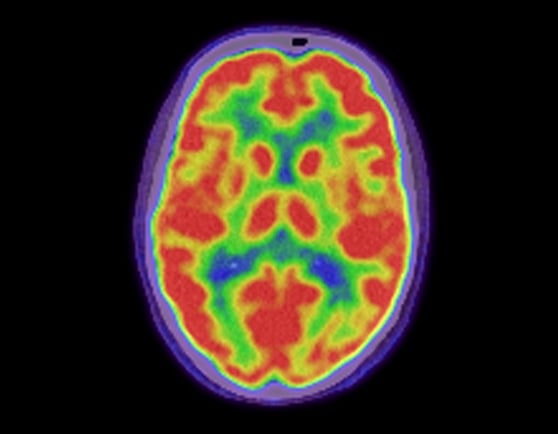
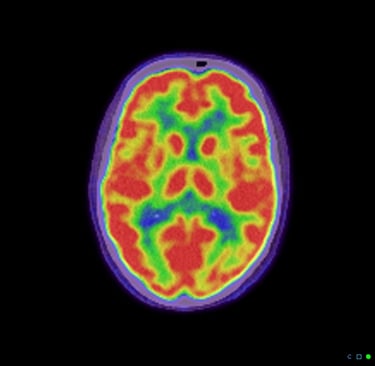
Where PET/CT Helps Most in Neurology
1) Memory Loss & Dementia Syndromes
Two big advances make PET/CT especially relevant today for patients dealing with memory concerns:
Amyloid and Tau PET: Amyloid PET detects plaque pathology, while tau PET visualizes neurofibrillary tangles. Together, they form the modern biological framework for diagnosing Alzheimer’s disease (AD). The Society of Nuclear Medicine & Molecular Imaging (SNMMI) and the Alzheimer’s Association have updated their criteria to explain when these scans are most helpful—specifically for unexplained mild cognitive impairment (MCI).
FDG PET Metabolism: This scan uses glucose to reveal brain patterns that help distinguish Alzheimer’s from other conditions like Frontotemporal Dementia or Lewy Body Dementia.
Why it matters now: New disease-modifying therapies for early Alzheimer’s (such as Leqembi or Kisunla) require confirmed amyloid pathology. PET/CT is one of the clearest paths to that confirmation, allowing our team to create a precise treatment plan.
Related Reading: Head & Brain Services
2) Parkinsonism & Movement Disorders
For patients with tremors or stiffness, F-18 FDOPA PET measures dopamine terminals in the brain. In suspected parkinsonian syndromes, this scan can visualize reduced dopamine uptake, supporting a diagnosis of neurodegenerative parkinsonism when clinical symptoms are unclear.
3) Epilepsy (Especially When MRI Looks “Normal”)
For patients with seizures that are hard to control, FDG PET can localize the specific area of the brain causing the issue (the epileptogenic focus). This is crucial for surgical planning, particularly when a standard MRI comes back negative.
4) Neuro-Oncology
While MRI remains the first line of defense for brain tumors, PET/CT helps us distinguish between tumor recurrence vs. treatment effects (like radiation necrosis). This clarity is vital for patients undergoing cancer treatment.
Coverage Is Evolving—In a Good Way
In late 2023, Medicare retired the national limit for beta-amyloid PET coverage. Practically, this means more eligible patients across Central Florida can now receive amyloid PET scans as part of real-world care, not just in clinical trials. At Charis Neurology, we verify benefits for every patient to ensure you understand your coverage.
Safety & Preparation
PET/CT uses a small amount of radioactivity—similar to other diagnostic imaging—and the CT portion is typically low-dose. Most patients go home right after the procedure.
For FDOPA (Parkinson's): We may use carbidopa pre-medication to optimize image quality.
For FDG (Memory/Epilepsy): Quiet rest and controlled blood sugar levels help improve accuracy.
We provide clear, written instructions before your appointment to ensure you are comfortable and prepared.
Learn more about our onsite testing: Diagnostics & Treatment Services
What This Means for Patients at Charis Neurology
Faster, clearer answers when symptoms are subtle or diagnoses overlap.
Biology-based decisions about new Alzheimer’s therapies and Parkinsonian management.
Team-based reading: Dr. Makar and our team integrate PET/CT findings with your MRI, bloodwork, and personal history—because imaging is most powerful when interpreted in context.
When Do We Recommend PET/CT?
We consider PET/CT when results are likely to change the treatment plan—for example:
Mild cognitive impairment where confirming or excluding Alzheimer's pathology guides medication choices.
Early parkinsonism with diagnostic uncertainty.
Refractory focal epilepsy being evaluated for surgery.
The Bottom Line
PET/CT has become a practical, patient-centered tool in modern neurology. It helps us diagnose earlier, tailor treatments, and make more confident decisions with you.
If you or a loved one in Lake Mary, Sanford, or Orlando are navigating memory concerns, parkinsonian symptoms, or complex seizures, talk with our team today. Together, we will decide if PET/CT is the right next step.
Request an Appointment Today
Call us to schedule your consultation with Dr. Sherif Makar.
Phone: (407) 603-1633 Location: 775 Primera Blvd, Suite 1031, Lake Mary, FL
Request an Appointment or Ask a Question
Our team responds within one business day.
For urgent concerns, please call us directly.
Phone
Location
Hours
Mon - Fri: 8:00 AM – 5:00 PM
Please do not submit sensitive medical information through this form.
For emergencies, call 911.
Contact Us
Serving Central Florida
Seminole County
Lake Mary, Sanford, Longwood, Oviedo, Altamonte Springs, Winter Springs, Casselberry, Heathrow, Wekiwa Springs, Forest City, Sanlando Springs
Volusia County
Deltona, Orange City, DeBary, Lake Helen
Orange County
Orlando, Winter Park, Maitland, Apopka, Eatonville
Patient Center


Where precision medicine meets genuine compassion. We provide end-to-end diagnostics and treatment for the entire family under one roof.


© 2025 Charis Neurology. All rights reserved.
If you are experiencing a medical emergency, please dial 911 or go to the nearest emergency room. Do not use this website for urgent medical needs.