

Neuro-Oncology: Advanced Brain & Spine Tumor Care
Fellowship-Trained Management of Glioblastoma, Metastases & Cancer Complications
A tumor diagnosis changes everything. You need clarity, not confusion. Dr. Sherif Makar brings Stanford-trained expertise to Lake Mary, providing university-level treatment plans for brain and spine tumors without the hospital bureaucracy.


Conditions We Commonly Evaluate


Brain Tumors (Benign & Malignant)
Metastatic Brain Lesions
Spine Tumors
Neurological Symptoms Related to Cancer
Post-Surgical Neurological Changes
Treatment-Related Complications (Chemo/Radiation)
Seizures Related to Tumors or Treatment
Cognitive or Behavioral Changes
Cancer-Related Neuropathy
A note we often share with patients:
Most patients facing a possible tumor feel overwhelmed before they ever meet with us — and that’s completely understandable. Many neurological symptoms have more than one explanation, and imaging alone rarely tells the whole story. Our job is to bring clarity, interpret what the findings mean for you, and guide you through each step with calm and precision.
If your symptoms also involve headaches, cognitive shifts, or movement difficulties, you may benefit from our Head & Brain, Nerves & Movement, and Diagnostics & Treatment services for a more complete evaluation.
What Happens During Your Evaluation
Step 1: Listening to Your Story
Step 3: On-Site Imaging or Diagnostic Tests (If Needed)
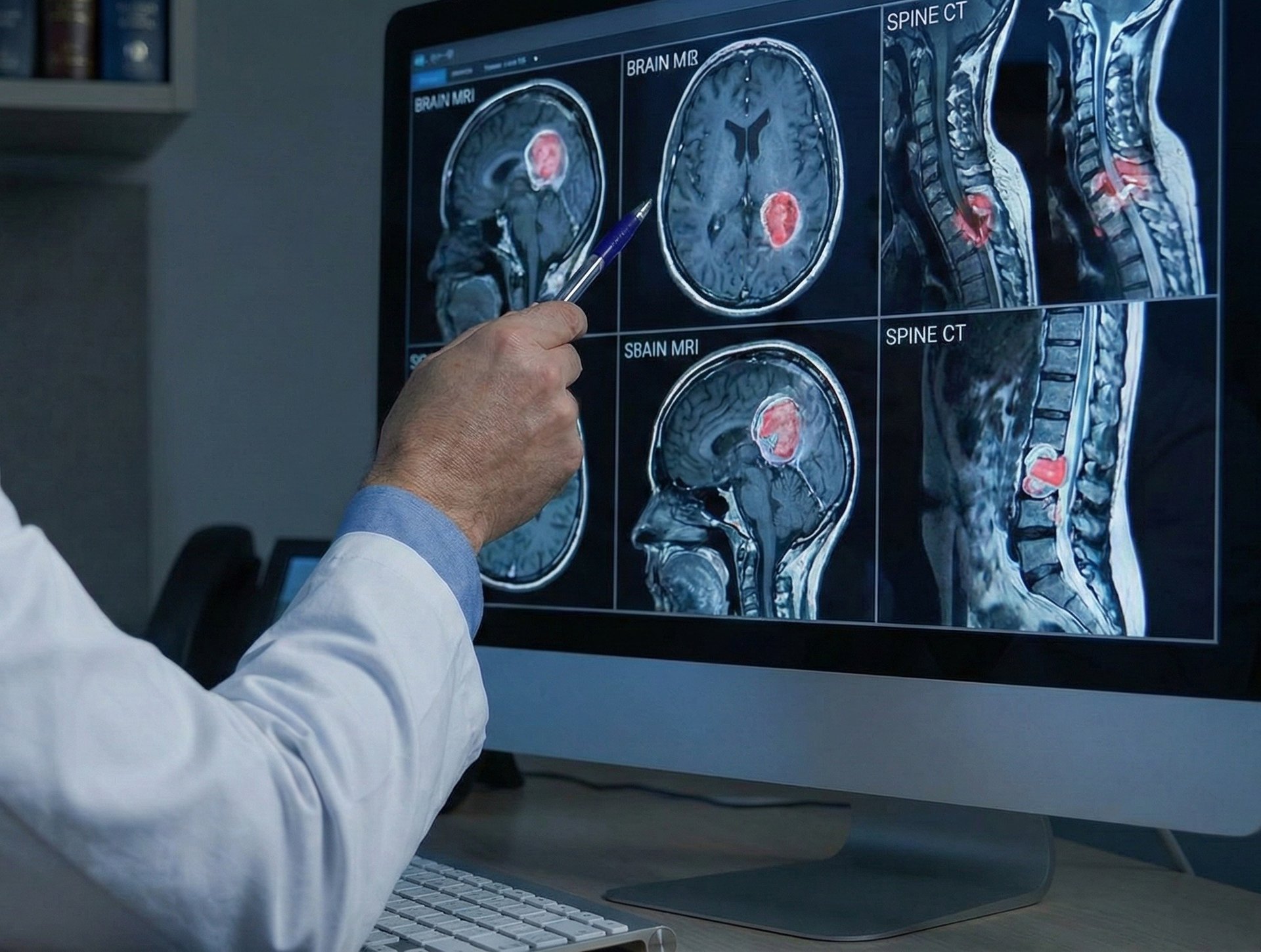
When there’s concern about a brain or spine tumor, every step of the evaluation can feel overwhelming. To make things easier, this section explains what typically happens during a Neuro-Oncology visit so you understand each stage of the process and how we work to bring clarity to your symptoms.
Next, we check memory, concentration, reflexes, coordination, vision, strength, and speech. These gentle assessments help us understand how different areas of the brain or nervous system may be affected. They also show us which symptoms need closer follow-up.
We begin by hearing what brought you here — whether it was a new MRI, unexpected symptoms, or changes that felt “off” but hard to explain. You’ll have time to describe what you’ve noticed, when it started, and how it has affected thinking, energy, balance, or daily life. Your concerns guide the entire evaluation.
Step 2: Neurological & Cognitive Testing
Step 4: A Clear, Personalized Plan
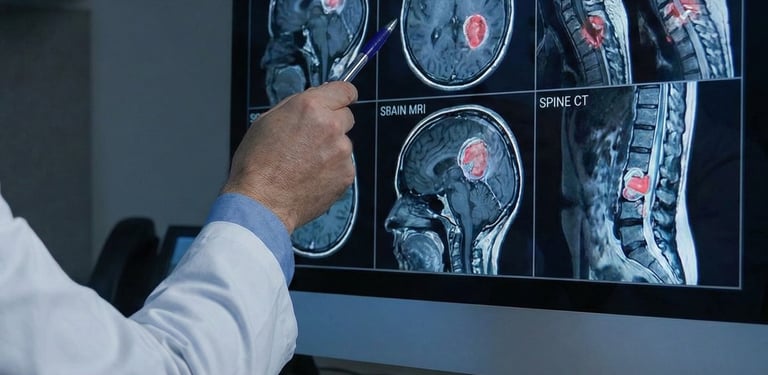
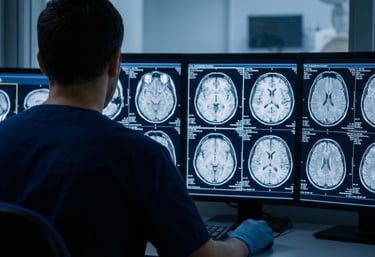
Before you leave, we walk through everything — what we saw on your imaging, what may be causing your symptoms, and what your next steps look like. We explain your options plainly and answer every question. Patients often tell us, “This is the first time someone helped everything make sense.”
If we need more detail, we may recommend MRI review, advanced imaging sequences, EEG (for tumor-related seizures), or lab work. When urgent or time-sensitive, imaging can often be reviewed on the same day. These steps help us identify what is causing your symptoms and how quickly we need to act.
When to Seek Help — Even If Your Symptoms Seem Mild


Cognitive or Behavioral Changes
New memory lapses
Trouble focusing or organizing thoughts
Personality or mood shifts
Feeling unusually fatigued or “foggy”
Headache or Pressure Symptoms
Persistent or worsening headaches
Morning headaches or waking from sleep
Nausea not related to meals
New pressure sensations inside the head
Movement or Coordination Changes
New clumsiness or stumbling
Trouble with handwriting or fine movements
Weakness on one side
Difficulty maintaining balance
Vision, Speech, or Sensory Changes
Blurred or double vision
Episodes of confusion or difficulty speaking
Numbness or tingling that comes and goes
Unexplained episodes resembling “zoning out” or seizures
Many people delay evaluation because symptoms appear subtle or blend into daily life. Tumor-related changes, however, often start quietly. Here are signs worth checking:
Many people wait because symptoms feel mild or easy to explain. Tumor-related changes often begin quietly. If something feels different, it’s worth getting checked — even if you’re unsure.
How We Approach Treatment
Your treatment plan depends on your diagnosis and needs, but may include:
Coordination with oncology or neurosurgery
Management of tumor-related seizures
Treatment for swelling or inflammation
Medication to support neurological function
Monitoring tumor growth or stability
Rehabilitation for cognition, strength, or balance
Support for treatment-related symptoms
Long-term survivorship and follow-up care
Our goal is to support you medically, emotionally, and practically — from your first visit through long-term care.

“Clarity is the first step toward peace of mind.”
Whether your MRI raised questions or your symptoms changed, understanding what’s happening matters — and we’re here to help.
Frequently asked questions
What symptoms suggest a brain tumor?
New headaches, visual changes, weakness, seizures, or cognitive changes may warrant evaluation.
Are all brain tumors cancerous?
No. Many are benign, but even benign tumors can cause symptoms based on their location.
What does “metastatic brain lesion” mean?
It means cancer from another part of the body has spread to the brain.
Do all tumors require surgery?
Not always. Treatment depends on location, size, symptoms, and diagnosis.
How quickly do I need to be evaluated?
If you have new neurological symptoms, sooner is better — even if symptoms are mild.
Can treatment-related symptoms improve over time?
Yes. Many chemotherapy or radiation effects are treatable or manageable.
What is the role of MRI in monitoring tumors?
MRI helps track tumor growth, treatment response, and changes over time.
Can seizures be caused by a tumor?
Yes. Tumors or treatment-related swelling can trigger seizures.
Do I need a referral to see a neuro-oncology specialist?
No. You can schedule directly.
What should I bring to my first appointment?
Prior MRIs, CT scans, reports, medications, and a summary of symptoms.

Related Neurology Services
Explore additional care options that complement your Neuro-Oncology evaluation, including Head & Brain, Nerves & Movement, and full Diagnostics & Treatment.
Head & Brain
Short, clear evaluation for headaches, seizures, memory changes, and cognitive symptoms.
Learn more >


Managing neuropathy, tremors, imbalance, and nerve-related symptoms with precise testing and personalized treatment.
Learn more >
Same-day MRI, EEG, and EMG/NCS testing available onsite to help diagnose symptoms accurately and quickly.
Learn more >




Explore our full range of neurology services.
View All Services >
Request an Appointment or Ask a Question
Our team responds within one business day.
For urgent concerns, please call us directly.
Phone
Location
Serving Central Florida
Seminole • Orange • Volusia • Lake County
Please do not submit sensitive medical information through this form.
For emergencies, call 911.
Contact Us
Serving Central Florida
Seminole County
Lake Mary, Sanford, Longwood, Oviedo, Altamonte Springs, Winter Springs, Casselberry, Heathrow, Wekiwa Springs, Forest City, Sanlando Springs
Volusia County
Deltona, Orange City, DeBary, Lake Helen
Orange County
Orlando, Winter Park, Maitland, Apopka, Eatonville
Patient Center


Where precision medicine meets genuine compassion. We provide end-to-end diagnostics and treatment for the entire family under one roof.


© 2026 Charis Neurology. All rights reserved.
If you are experiencing a medical emergency, please dial 911 or go to the nearest emergency room. Do not use this website for urgent medical needs.