

Diagnostics & Treatment: On-Site MRI, EEG & Infusion
Hospital-Grade Testing & Private Infusion Suites Without the Wait
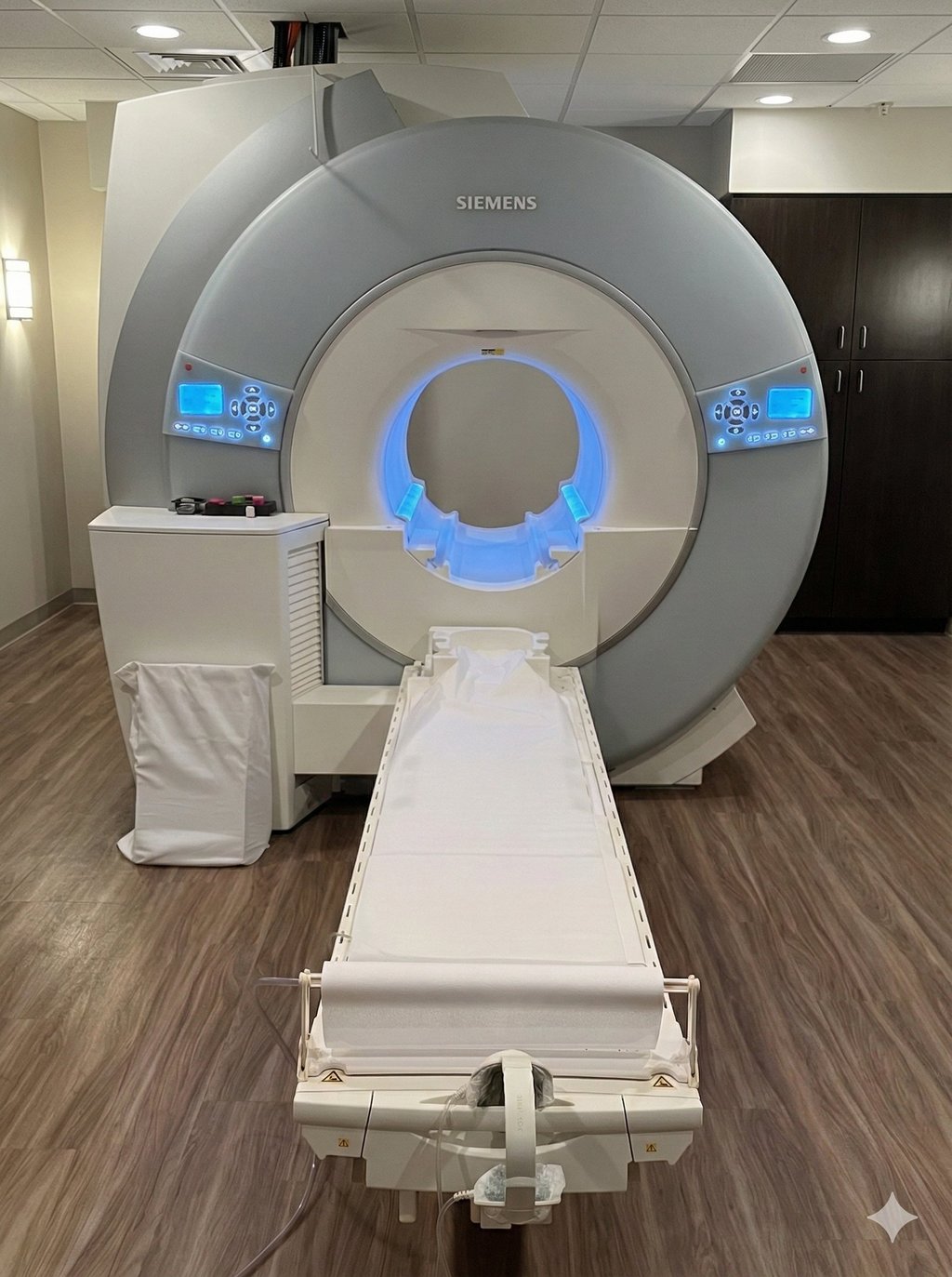
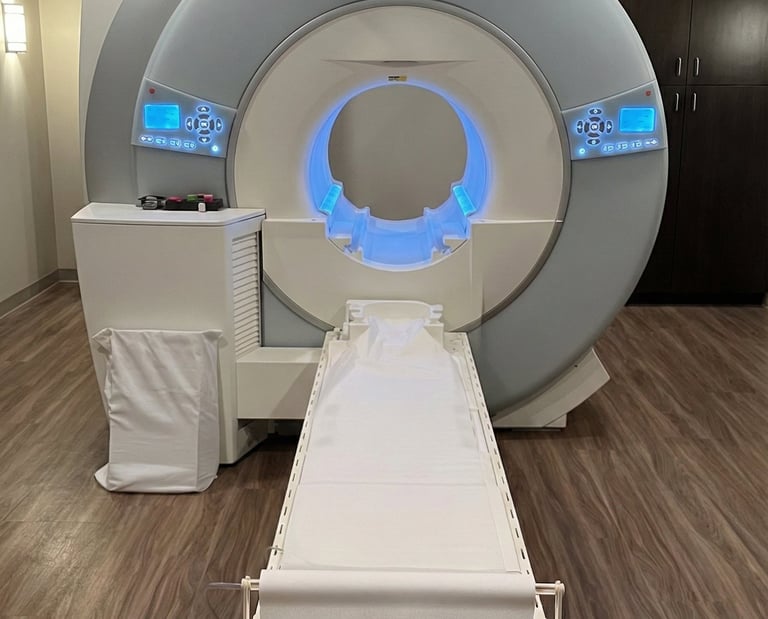
Waiting for answers is the hardest part of any diagnosis. At Charis Neurology, we eliminated the referral run-around. We provide High-Field MRI, EEG Video Monitoring, and biological infusion therapies right here in our Lake Mary center, so you get clarity days—not weeks—sooner.
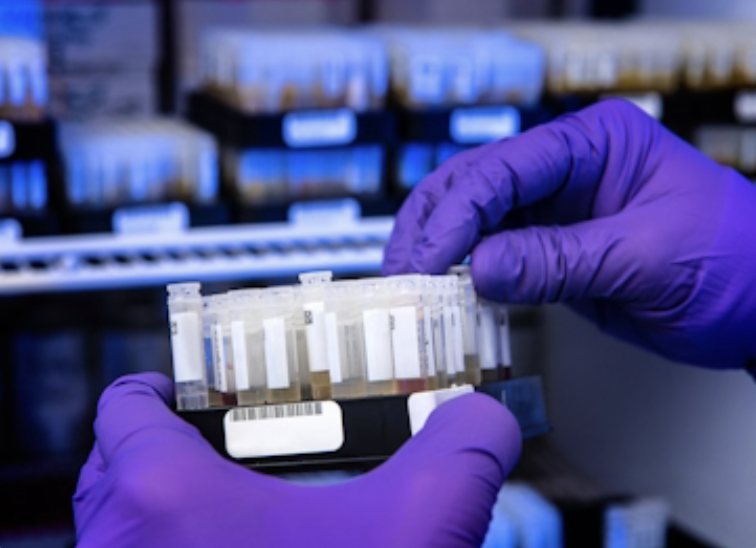
Conditions We Commonly Evaluate
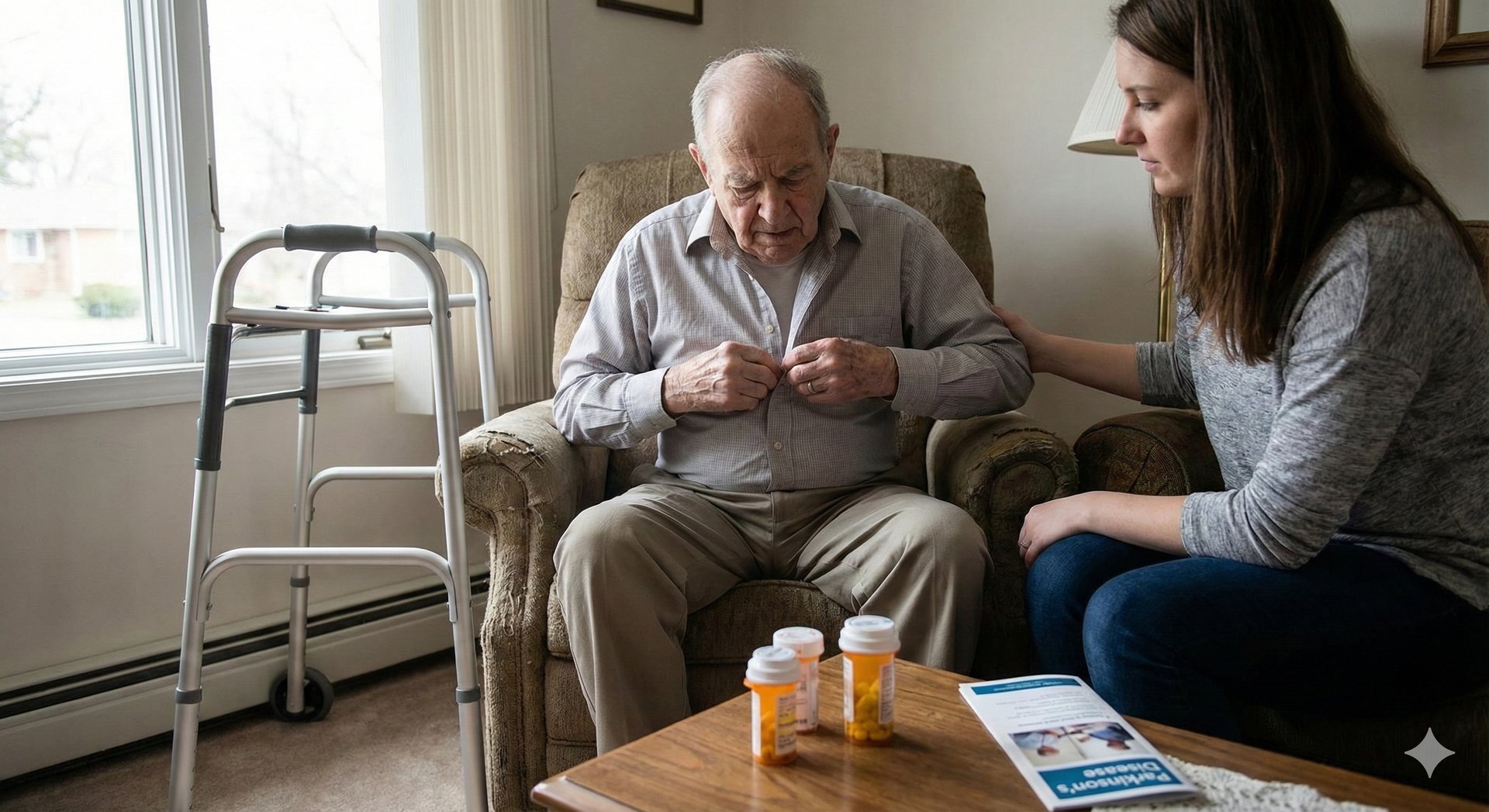
Headaches or persistent pressure
Seizures or unexplained episodes
Cognitive or memory concerns
Numbness, tingling, or weakness
Vision, speech, or sensory changes
Dizziness or imbalance
Neuropathy symptoms
Post-treatment or post-surgical neurological changes
A note we often share with patients:
Symptoms don’t always point clearly to one cause — and that’s okay. The purpose of diagnostic testing is to uncover what’s happening beneath the surface so you’re not guessing or worrying on your own. With the right tools — MRI, EEG, EMG/NCS, and advanced neurologic testing — we can almost always create a clearer picture and a targeted plan.
If your symptoms also relate to headaches, cognition, nerve function, or possible tumor concerns, you may benefit from our Head & Brain, Nerves & Movement, and Neuro-Oncology services for a complete evaluation.
What Happens During Your Evaluation
Step 1: Understanding Your Symptoms & Diagnostic Goals
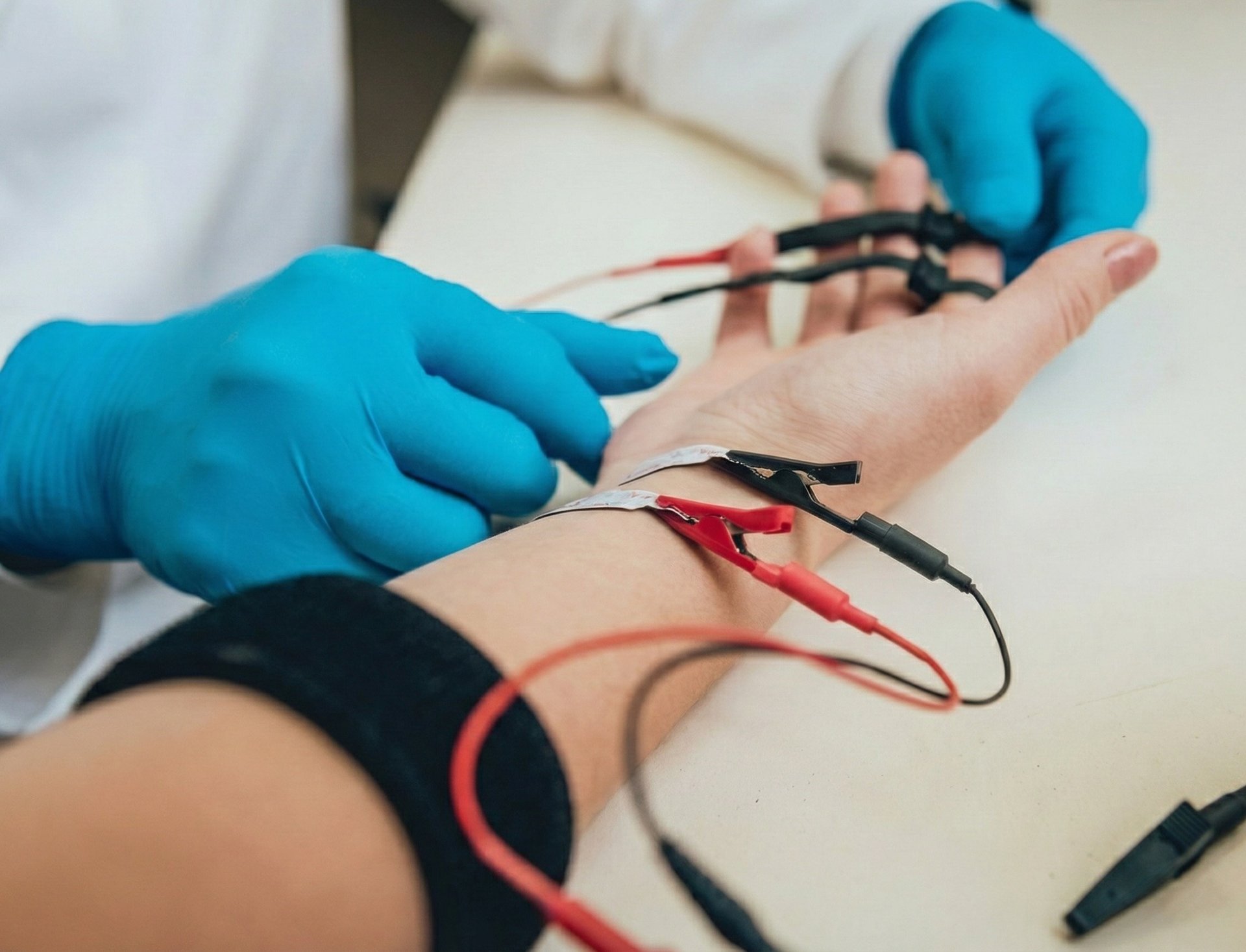
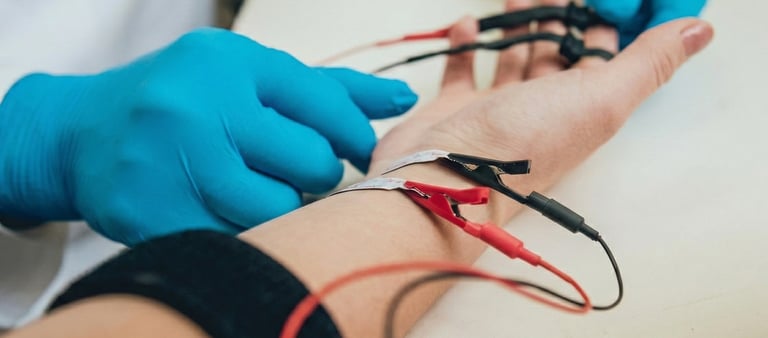
Step 3: Same-Day MRI, EEG, or EMG/NCS (When Appropriate)
If you’ve been referred for testing such as MRI, EEG, EMG/NCS, or lab work, it’s normal to feel unsure about what the appointment will include. Here’s a simple outline of what to expect during a Diagnostics & Treatment visit and how each step helps us uncover what’s truly causing your symptoms.
If testing is needed, most patients can complete it during the same visit.
Examples include:
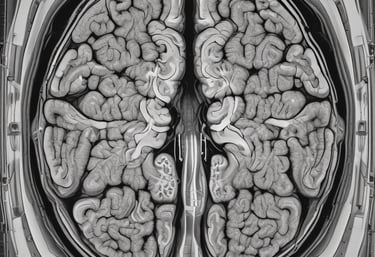
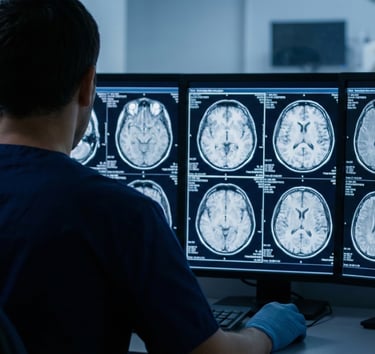
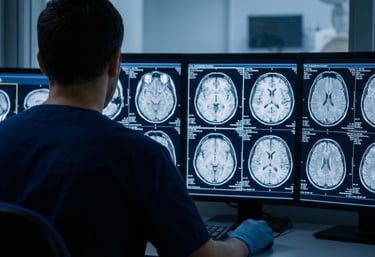
MRI for headaches, tumors, inflammation, or stroke
EEG for seizure-like episodes or “blackouts”
EMG/NCS for numbness, tingling, or suspected nerve compression
Labs to rule out reversible neurological causes
Our goal is simple: avoid delays and give you clarity faster.
We perform focused exams depending on your symptoms: reflex testing, sensory mapping, strength evaluation, balance testing, or cognitive checks. These help us determine which diagnostic tests will actually give you answers.
We start by clarifying your symptoms — whether it’s headaches, numbness, seizures, weakness, or unexplained neurological changes. We also identify what you need from today’s visit: reassurance, answers, testing, or a treatment plan.
Step 2: Targeted Neurological Testing
Step 4: Full Review of Your Results & Next Steps
Once your evaluation is complete, we explain what the results mean, what may be causing your symptoms, and what your treatment options are. Whether you need medication adjustments, further testing, or ongoing monitoring — you’ll leave with a clear, actionable plan.
When to Seek Help — Even If Your Symptoms Seem Mild


Cognitive or Thinking Changes
Occasional word-finding difficulty
Brief episodes of confusion or disorientation
Trouble multitasking or staying organized
New difficulty concentrating, especially when tired
Sensory or Nerve Changes
Tingling or “pins and needles” that come and go
Intermittent numbness in hands, feet, or face
A limb that feels “heavy” or unusually weak at times
Sensations of burning, buzzing, or electrical shocks
Headache, Pressure, or Pain Symptoms
Headaches that feel different from your usual pattern
Pain triggered by coughing, bending, or exertion
Sudden headaches during activity or waking from sleep
Persistent neck pain associated with dizziness or imbalance
Episodes, Spells, or Unexplained Events
Brief staring spells or moments you “lose track” of time
Sudden lightheadedness or waves of fatigue
Jerking movements during sleep or while resting
Unusual sensations that are difficult to describe but keep repeating
Many neurological symptoms start quietly — a sensation that “comes and goes,” a headache that feels slightly different, or a moment of weakness you brush off. These early signs often blend into daily life, which is why many patients wait longer than they should. Diagnostic testing helps uncover what’s happening beneath the surface, even when symptoms seem small.
You should consider a diagnostic evaluation if you’re experiencing:
Many people wait because symptoms feel mild or inconsistent — but neurological symptoms don’t have to be severe to be meaningful. Diagnostics help uncover what’s happening beneath the surface so you don’t have to guess. If something feels “off,” it’s worth getting checked even if you’re unsure.
How We Approach Treatment
Every patient’s diagnostic pathway looks different — and your treatment plan will too. After we review your symptoms, exam findings, and test results, we map out a plan focused entirely on your needs.Your personalized plan may include:
MRI, EEG, or EMG/NCS-guided treatment decisions
Medication management for headaches, seizures, neuropathy, or inflammation
Identifying reversible causes (vitamin deficiencies, autoimmune markers, medication effects)
Rehabilitation support for strength, balance, or cognitive recovery
Monitoring changes over time to track progress or detect early warning signs
Referral coordination with neurosurgery, oncology, or other specialists when appropriate
Our goal is simple: give you answers, give you direction, and make sure you leave each visit knowing exactly what comes next — rather than worrying about what you don’t know.
“Answers bring direction — and direction brings peace.”
When symptoms change or new concerns arise, clarity becomes the most powerful first step. Understanding what’s happening inside your brain and nerves helps replace uncertainty with a plan — and that’s where healing begins.
Frequently asked questions
What types of tests do you offer onsite?
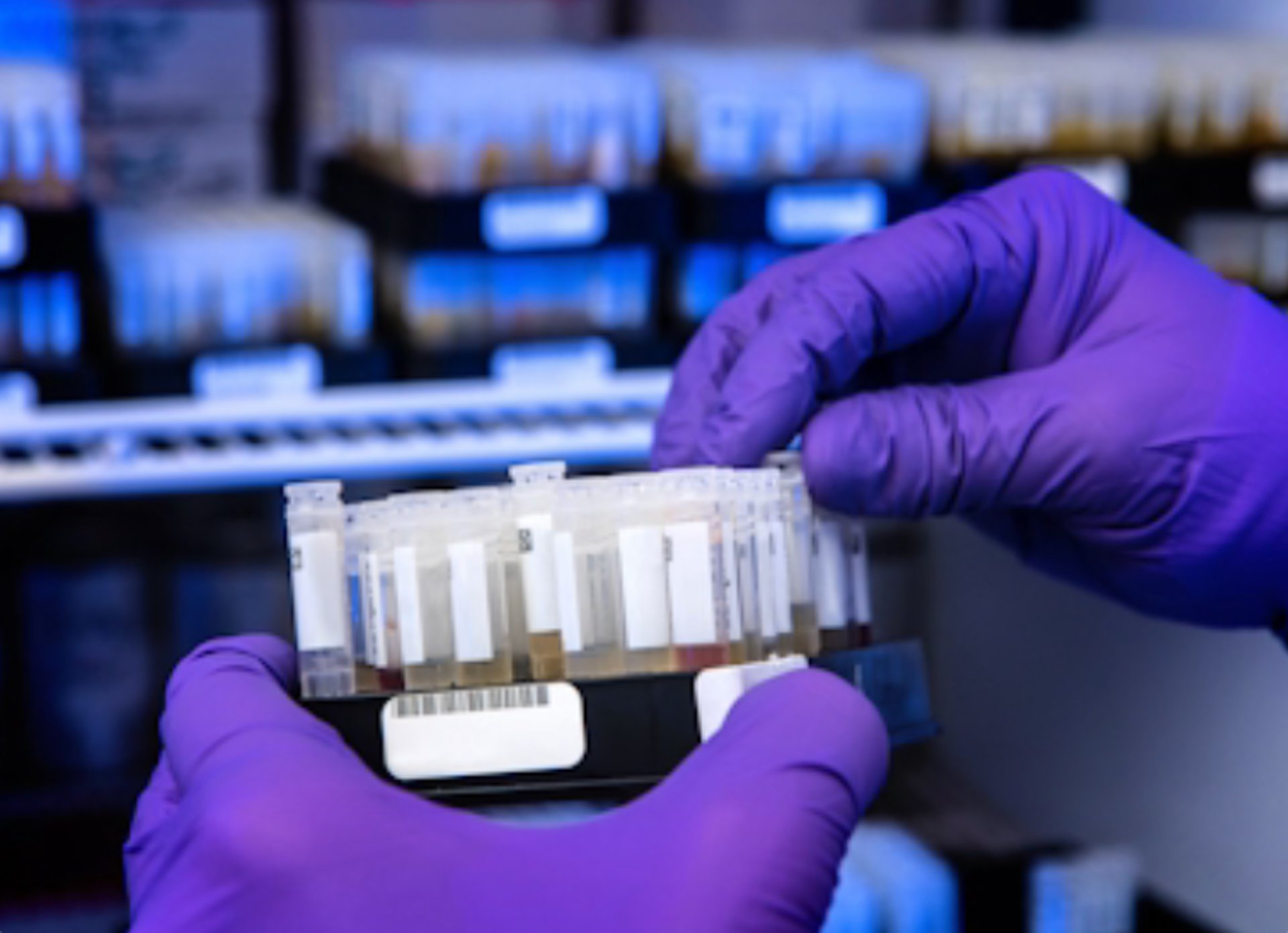
We provide MRI, EEG, EMG/NCS, and targeted neurological testing, along with lab panels for reversible causes of neurological symptoms.
Do I need a referral for testing?
No. You can schedule a diagnostic evaluation directly with our office.
How do I know if I need imaging?
We only recommend imaging when your symptoms or exam findings indicate it will give meaningful answers — never “just because.”
Can I complete testing on the same day?
In many cases, yes. We offer same-day MRI, EEG, and EMG/NCS when appropriate to avoid delays.
How often do I need follow-up testing?
Follow-up depends on your symptoms and initial results. Some patients need testing only once, while others benefit from repeat imaging or nerve studies over time to monitor changes. During your visit, we discuss the expected timeline so you always know what to anticipate — no guesswork.
Are results reviewed immediately?
Yes. We review your findings during the same visit whenever possible and outline next steps before you leave.
Is diagnostic testing painful?
Most tests, like MRI and EEG, are completely painless. EMG/NCS may cause brief discomfort, but most patients find it very tolerable.
What should I bring to my appointment?
Previous MRIs, CT scans, lab results, medications, and a timeline of your symptoms help us build a clearer picture.
Can diagnostic tests detect issues even if my exam seems normal?
Yes. Many neurological conditions begin at the microscopic or electrical level before they create obvious exam findings. MRI, EEG, and EMG/NCS can detect changes long before symptoms become pronounced. Early testing helps us identify problems at the “quiet” stage and intervene sooner.
What if my symptoms come and go?
Intermittent symptoms are still meaningful. Many neurological conditions fluctuate in the early stages — testing can help identify why.
Related Neurology Services
Explore additional care options that complement your Neuro-Oncology evaluation, including Head & Brain, Nerves & Movement, and full Diagnostics & Treatment.
Head & Brain
Short, clear evaluation for headaches, seizures, memory changes, and cognitive symptoms.
Learn more >
Managing neuropathy, tremors, imbalance, and nerve-related symptoms with precise testing and personalized treatment.
Learn more >
Comprehensive evaluation for brain tumors, masses, and neurological changes — from first symptoms to ongoing management.


Explore our full range of neurology services.
View All Services >
Request an Appointment or Ask a Question
Our team responds within one business day.
For urgent concerns, please call us directly.
Phone
Location
Serving Central Florida
Seminole • Orange • Volusia • Lake County
Please do not submit sensitive medical information through this form.
For emergencies, call 911.
Contact Us
Serving Central Florida
Seminole County
Lake Mary, Sanford, Longwood, Oviedo, Altamonte Springs, Winter Springs, Casselberry, Heathrow, Wekiwa Springs, Forest City, Sanlando Springs
Volusia County
Deltona, Orange City, DeBary, Lake Helen
Orange County
Orlando, Winter Park, Maitland, Apopka, Eatonville
Patient Center


Where precision medicine meets genuine compassion. We provide end-to-end diagnostics and treatment for the entire family under one roof.


© 2026 Charis Neurology. All rights reserved.
If you are experiencing a medical emergency, please dial 911 or go to the nearest emergency room. Do not use this website for urgent medical needs.