

When Should You See a Neurologist for Neuropathy?
Burning feet, numbness, tingling, or nerve pain can make daily life more difficult and uncertain. At Charis Neurology, we evaluate neuropathy and related nerve symptoms with a focused neurological exam, on-site EMG/NCS, MRI, and a treatment plan built around the cause of your symptoms, not just the discomfort they create.


CONTENT REVIEW BY
Dr. Sherif Makar, MD
Board-Certified Neurologist & Neuro-Oncologist, Charis Neurology
AT A GLANCE
Condition
Peripheral neuropathy, nerve pain, numbness, tingling, burning sensations, weakness, and related nerve disorders.
Treated by
Dr. Sherif Makar, MD, Board-Certified Neurologist & Neuro-Oncologist
When to seek care
Symptoms that persist, spread, disrupt sleep, affect walking or balance, or are associated with weakness.
What to expect
Neurological exam, symptom-pattern review, EMG/NCS when appropriate, on-site MRI if needed, and a clear next-step plan through our Diagnostics & Treatment services.
Referral required?
Many patients can schedule directly, though some insurance plans may require a referral. To get started, visit our Contact page.
What neuropathy can feel like
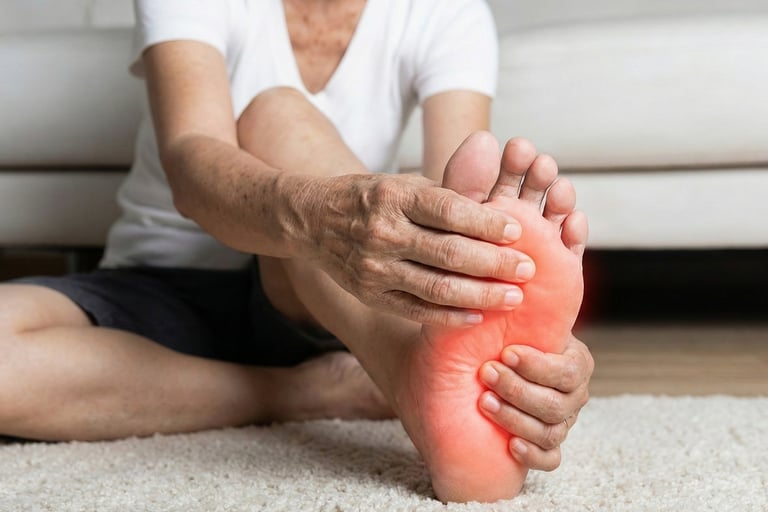
Neuropathy is not just “pins and needles.” For some people, it begins with burning in the feet at night. For others, it shows up as numb fingertips, sharp electric pain, muscle weakness, or a strange sense that the floor does not feel normal when they walk.
Common neuropathy symptoms include:
Burning feet or burning hands.
Tingling or “pins and needles” sensations.
Numbness in the toes, feet, fingers, or hands.
Sharp, stabbing, or electric-like pain.
Weakness or trouble lifting the foot normally.
Balance problems, especially in the dark or on stairs.
Greater discomfort at night or when trying to sleep.
In many cases, symptoms start gradually and become more noticeable over time. That slow progression is one reason people often wait too long before getting answers.
For a broader overview of nerve-related conditions treated by our clinic, visit Nerves & Movement.
When numbness or burning should be evaluated
Nerve symptoms deserve a neurological evaluation when they stop being occasional and start affecting comfort, confidence, sleep, or mobility. The goal is not just to confirm that neuropathy is present, but to understand what type of nerve problem is happening and whether there is a treatable cause behind it.
You should consider seeing a neurologist if you notice:
Symptoms spreading from the toes upward or from the fingers upward.
Trouble walking, balancing, or feeling steady on your feet.
Pain that interferes with work, rest, or exercise.
Weakness, foot drop, or frequent tripping.
One-sided numbness or pain suggesting a pinched nerve.
Neuropathy symptoms with diabetes, chemotherapy, autoimmune disease, or vitamin deficiency.
Seek urgent medical care for sudden major weakness, rapidly worsening symptoms, loss of bladder or bowel control, or new inability to walk.
If you want to understand how national experts describe this condition, the National Institute of Neurological Disorders and Stroke overview of peripheral neuropathy is a helpful external resource.
Common causes of neuropathy
Neuropathy is a category of nerve dysfunction, not one single diagnosis. That matters because effective treatment depends on understanding the source of the problem.
Common causes include:
Diabetes and prediabetes.
Vitamin deficiencies and metabolic problems.
Autoimmune or inflammatory conditions.
Chemotherapy or medication-related nerve injury.
Hereditary neuropathies.
Compression neuropathies such as carpal tunnel syndrome.
Pinched nerves in the spine causing radiculopathy.
At Charis Neurology, we focus on separating these causes from one another so treatment is based on evidence rather than guesswork. You can explore our full neurology services to see how this fits into the broader care we provide.
How Charis Neurology diagnoses nerve symptoms
A strong neuropathy evaluation begins with pattern recognition. We look at where symptoms began, whether they are painful or painless, whether weakness is present, whether balance is affected, and whether the pattern points toward peripheral neuropathy, a pinched nerve, focal nerve compression, or another neurological issue.
Your workup may include:
A detailed symptom history and medical review.
Neurological testing of sensation, reflexes, strength, gait, and coordination.
EMG/NCS to evaluate nerve and muscle function when clinically indicated.
MRI when symptoms suggest spinal or structural causes.
Focused lab review to identify reversible contributors such as vitamin deficiency or metabolic causes.
Charis Neurology offers EMG & Nerve Conduction Studies, MRI, and other diagnostics on-site, which helps reduce delays and gives patients a more coordinated path from symptoms to answers.
For patients who want to better understand these tests, the NINDS guide to neurological diagnostic tests and procedures gives a helpful overview of how neurological testing works.
Treatment options for neuropathy
Neuropathy treatment is not one-size-fits-all. Some patients need pain control first. Others need help with weakness, gait stability, or treatment of an underlying condition that is irritating or damaging the nerves.
Depending on your diagnosis, treatment may include:
Medication for burning, tingling, or electric-like nerve pain.
Management of underlying contributors such as diabetes, vitamin deficiency, or autoimmune disease.
Treatment for nerve compression or radiculopathy.
Physical therapy or gait-focused support for balance and fall prevention.
Infusion-based therapy in select inflammatory or autoimmune neurological conditions, available through our Diagnostics & Treatment services when appropriate.
The goal is to reduce discomfort, protect function, improve stability, and slow progression whenever possible.


How neuropathy affects daily life
Neuropathy is often discussed as a pain problem, but daily function is just as important. Nerve symptoms can affect sleep, confidence with walking, driving comfort, exercise tolerance, and the simple feeling of being steady and in control.
When symptoms are identified early, treatment can do more than reduce pain. It can also help prevent falls, maintain mobility, and preserve independence.
If your symptoms overlap with tremors, balance changes, weakness, or other movement-related concerns, our Nerves & Movement page outlines the broader conditions we evaluate.
Why patients choose Charis Neurology
Patients looking for neuropathy treatment in Lake Mary often want two things: a clear diagnosis and a plan they can actually follow. Charis Neurology combines specialist oversight with in-office testing, which makes the process faster and more coordinated.
Patients choose Charis Neurology because we offer:
A board-certified neurologist with advanced subspecialty training through Dr. Sherif Makar.
On-site EMG/NCS, MRI, and infusion therapy through Diagnostics & Treatment.
A focused Nerves & Movement program for neuropathy, tremor, Parkinson’s disease, MS, gait, and related symptoms.
Clear explanations and practical next steps instead of vague reassurance.
Easy access for patients in Lake Mary, Sanford, Longwood, Orlando, Deltona, and across Central Florida.
Visiting Charis Neurology in Lake Mary
Phone
Location
Hours
Mon - Fri: 8:00 AM – 5:00 PM
Proudly serving patients from
Altamonte Springs • Apopka • Casselberry • Eatonville • Forest City • Heathrow • Lake Helen • Maitland • Sanlando Springs • Wekiwa Springs • Winter Park • Winter Springs • Fern Park
Frequently asked questions
Is neuropathy the same as poor circulation?
Not always. Circulation problems and neuropathy can both affect the feet, but neuropathy more often causes burning, tingling, numbness, electric pain, or reduced sensation related to nerve dysfunction. A neurological evaluation can help determine whether symptoms are coming from nerve injury, vascular issues, or both.
Can neuropathy happen without diabetes?
Yes. Diabetes is a common cause of neuropathy, but nerve damage can also be related to vitamin deficiencies, autoimmune disease, hereditary conditions, chemotherapy, medication effects, or spinal and compression-related problems. Identifying the cause is important because some forms are treatable or partially reversible.
Will I need an EMG test for neuropathy?
Not everyone with neuropathy symptoms needs an EMG, but nerve conduction studies and EMG are often helpful when the diagnosis is unclear or when we need to determine whether symptoms are coming from peripheral nerve disease, a pinched nerve, or muscle involvement. At Charis Neurology, EMG and nerve conduction testing are available on-site when clinically indicated.
Can neuropathy affect my balance even if I do not have much pain?
Yes. Reduced sensation in the feet can make it harder for the body to judge position and contact with the ground, which can affect balance and walking even if pain is mild. Evaluating neuropathy early can help reduce fall risk and support gait and balance with targeted treatment and therapy.
Can neuropathy be reversed?
Some causes of neuropathy can improve, especially when identified early and treated directly, such as vitamin deficiencies or certain metabolic and inflammatory conditions. Other forms may not be fully reversible but can often be managed with medications, lifestyle changes, and therapies that reduce symptoms, slow progression, and protect daily function.
Do I need a referral to see a neurologist at Charis Neurology for neuropathy?
Many patients can schedule directly with a neurologist, although some insurance plans require a referral from a primary care provider. At Charis Neurology in Lake Mary, FL, you can call (407) 603-1633 or request an appointment online, and our staff can help you verify whether your plan requires a referral before your visit.
What is the difference between neuropathy and a pinched nerve?
Neuropathy usually refers to dysfunction affecting peripheral nerves, often in a gradual, length-dependent pattern such as symptoms starting in the feet and moving upward. A pinched nerve, or radiculopathy, usually comes from nerve root compression in the spine and may cause pain, numbness, or weakness down a single arm or leg. A neurological exam and testing help distinguish between the two.
When should I stop waiting and get checked for neuropathy?
You should consider a neurological evaluation if numbness, tingling, burning sensations, or weakness are spreading, painful, affecting sleep, causing imbalance, or making you feel less steady than normal. Persistent nerve symptoms are easier to manage when the cause is identified early, and a neurologist can help determine appropriate next steps.
Neurology Services
Explore additional care options that complement your Neuro-Oncology evaluation, including Head & Brain, Nerves & Movement, and full Diagnostics & Treatment.
Head & Brain
Short, clear evaluation for headaches, seizures, memory changes, and cognitive symptoms.
Learn more >

Managing neuropathy, tremors, imbalance, and nerve-related symptoms with precise testing and personalized treatment.
Learn more >
Comprehensive evaluation for brain tumors, masses, and neurological changes — from first symptoms to ongoing management.
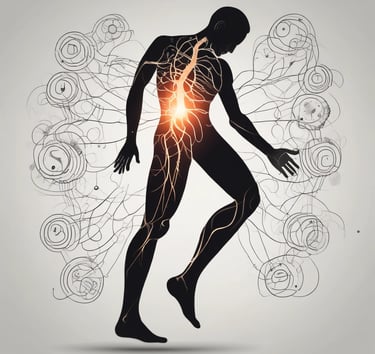
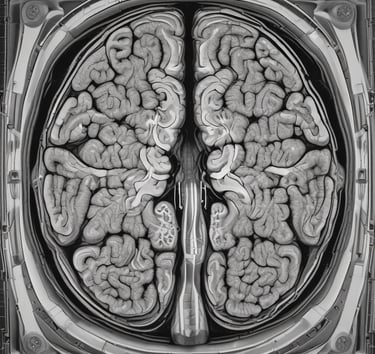


Same-day MRI, EEG, and EMG/NCS testing available onsite to help diagnose symptoms accurately and quickly.
Learn more >
Request an Appointment or Ask a Question
Our team responds within one business day.
For urgent concerns, please call us directly.
Phone
Location
Serving Central Florida
Seminole • Orange • Volusia • Lake County
Please do not submit sensitive medical information through this form.
For emergencies, call 911.
Contact Us
Serving Central Florida
Seminole County
Lake Mary, Sanford, Longwood, Oviedo, Altamonte Springs, Winter Springs, Casselberry, Heathrow, Wekiwa Springs, Forest City, Sanlando Springs
Volusia County
Deltona, Orange City, DeBary, Lake Helen
Orange County
Orlando, Winter Park, Maitland, Apopka, Eatonville
Patient Center


Where precision medicine meets genuine compassion. We provide end-to-end diagnostics and treatment for the entire family under one roof.


© 2026 Charis Neurology. All rights reserved.
If you are experiencing a medical emergency, please dial 911 or go to the nearest emergency room. Do not use this website for urgent medical needs.