

When Should You See a Neurologist for Headaches?
Expert neurological headache evaluation in Lake Mary, FL. On-site MRI and EEG. No referral needed.
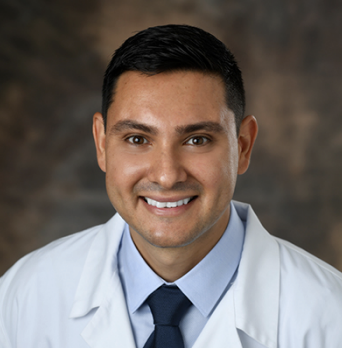
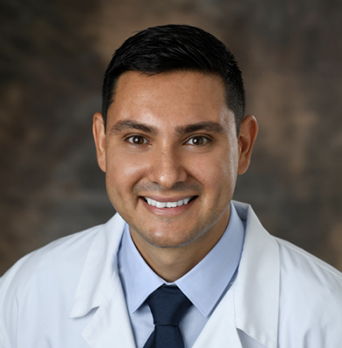
CONTENT REVIEW BY
Dr. Sherif Makar, MD
Board-Certified Neurologist & Neuro-Oncologist, Charis Neurology
AT A GLANCE
Condition
Headache disorders, including migraine, chronic daily headache, cluster headache, and secondary headaches
Treated by
Dr. Sherif Makar, MD, Board-Certified Neurologist & Neuro-Oncologist
When to seek care
Headaches that are frequent, worsening, waking you from sleep, or associated with vision changes, weakness, or confusion
What to expect
Neurological exam, on-site MRI or EEG, often same day when clinically indicated
Referral required?
No referral needed for most patients
Not all headaches are benign or "just stress." They can range from occasional discomfort to persistent neurological conditions that warrant evaluation. As part of our Head & Brain services, Charis Neurology evaluates headaches that are frequent, worsening, or associated with neurological symptoms, helping patients in Lake Mary and Central Florida identify the cause and determine appropriate next steps for care.
According to the National Institute of Neurological Disorders and Stroke (NINDS), new or changing headaches, especially after age 40, warrant neurological evaluation. If your headaches have changed in pattern, frequency, or intensity, that is worth looking into.
Signs Your Headaches May Require Neurological Evaluation
Many headaches are benign and temporary, but some warrant further neurological evaluation. You should consider seeing a neurologist if your headaches:
Are frequent, persistent, or worsening over time
Wake you from sleep or are present upon waking
Are associated with vision changes, weakness, numbness, dizziness, or confusion
Do not respond to over-the-counter medications
Begin suddenly or feel very different from prior headaches
Start after age 50 or following a head injury
Occur consistently on only one side of your head
Emergency: A sudden, severe headache described as "the worst headache of your life" requires immediate emergency evaluation. Call 911 or go to your nearest emergency room.


What Types of Headaches Do Neurologists Treat?
Neurologists commonly evaluate and treat a wide range of headache conditions. Even if your headaches have been present for years, changes in their pattern, severity, or associated symptoms can signal the need for further evaluation.
Migraines with or without aura: Recurring headaches with nausea, light sensitivity, or visual disturbances
Chronic daily headache: Headaches occurring 15 or more days per month
Cluster headaches: Severe, one-sided headaches in cyclical patterns
Medication-overuse headache: Rebound headache from frequent pain reliever use
Post-traumatic headache: Headaches following a head injury or concussion
Secondary headaches: Caused by an underlying neurological, vascular, or structural condition
How Are Headaches Diagnosed at Charis Neurology?
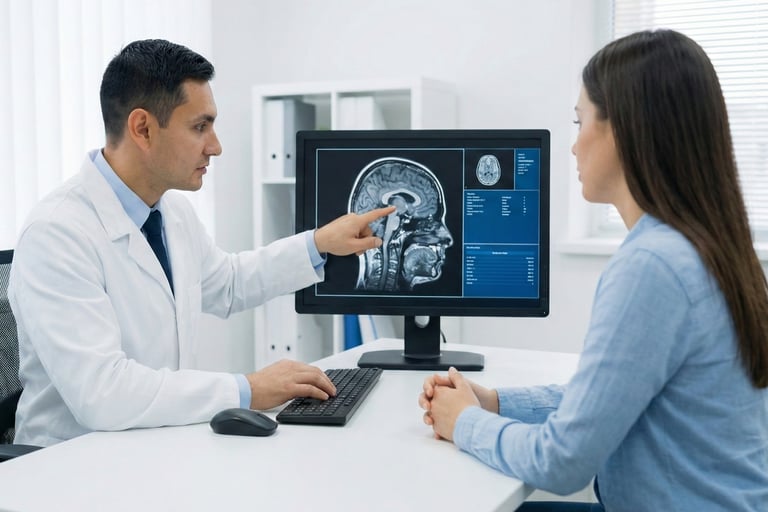
A headache evaluation at Charis Neurology begins with a thorough clinical assessment focused on understanding the full picture of your symptoms. This may include:
A detailed review of headache patterns, triggers, frequency, and medical history
A comprehensive neurological examination
Brain MRI or CT imaging when clinically appropriate, available on-site and often same day
Additional testing such as EEG or laboratory studies if indicated
Diagnostic testing is ordered selectively to answer specific neurological questions, not as routine screening. The goal is an accurate diagnosis while avoiding unnecessary procedures.
What Happens During Your Neurology Headache Evaluation?
Here is what to expect at your first neurology visit at Charis Neurology.
Step 1: Listening to Your Story
Dr. Makar reviews your symptoms, triggers, timeline, and medical history in detail. Visits are not rushed.
Step 2: Neurological Examination
Assesses brain function, reflexes, sensation, strength, and coordination to build a complete clinical picture beyond imaging alone.
Step 3: Diagnostic Testing (If Needed)
When appropriate, we may recommend:
High-field MRI or CT, available on-site and often same day
EEG testing for seizure-related headache patterns
Review of prior imaging or studies
Step 4: Clear Explanation & Your Plan
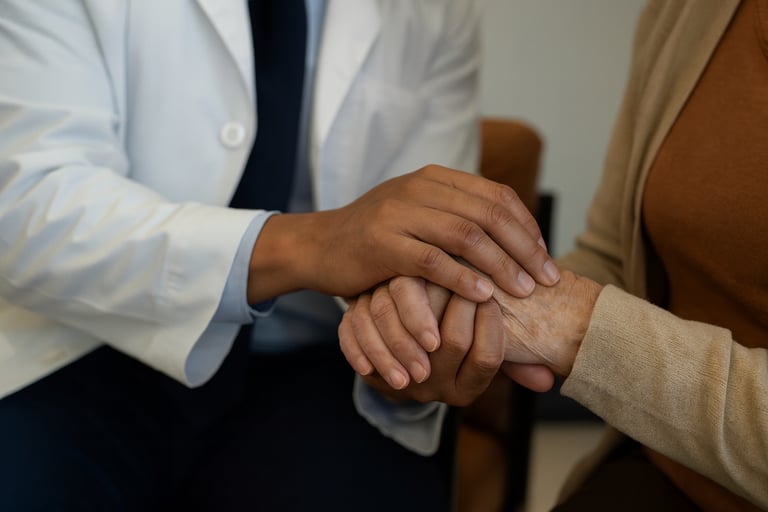
You leave with a clear explanation of your findings, your diagnosis, and the recommended next steps, whether that is treatment, further monitoring, or reassurance.
Personalized Headache Treatment Options
Treatment depends on diagnosis. Depending on what is found, care at Charis Neurology may include:
Preventive medications: Reduce headache frequency and severity over time
Abortive medications: Stop headaches when they begin
Botox for chronic migraine: FDA-approved for patients with 15 or more headache days per month, administered in-office
Infusion therapy: For complex or medication-refractory headache disorders
Lifestyle & trigger management: Practical guidance based on your headache pattern and known triggers
Our goal is to help you feel informed, supported, and confident in your care.
Why Patients Choose Charis Neurology for Headache Care?
Board-certified, fellowship-trained neurological care with all diagnostics under one roof, serving Lake Mary and Central Florida.
Fellowship-Trained Expertise: Dr. Sherif Makar, MD is board-certified in neurology and fellowship-trained in neuro-oncology, bringing subspecialty depth typically found at academic medical centers to a private practice environment.
All Diagnostics Under One Roof: On-site high-field MRI, EEG, and EMG/nerve conduction studies. Faster answers without extra appointments or travel.
No Referral Required: Most patients can schedule directly. Same-day MRI available when clinically indicated.
Collaborative Care Team: Dr. Makar is supported by Jamie Fernandez, APRN and Astrid Lied, APRN. Patients see the same team at each visit, which means your history does not have to be re-explained at every appointment.
Clear Communication at Every Visit: We explain every diagnosis and next step clearly, so you understand your condition and the reason behind each recommendation.
Central Florida's Neurology Specialist: Conveniently located in Lake Mary, serving Seminole, Orange, Volusia, and Lake counties.
We walk side-by-side with patients — every step of the way call today at (407) 603-1633 or schedule an appointment online.
Visiting Charis Neurology in Lake Mary
Phone
Location
Hours
Mon - Fri: 8:00 AM – 5:00 PM
Proudly serving patients from
Altamonte Springs • Apopka • Casselberry • Eatonville • Forest City • Heathrow • Lake Helen • Maitland • Sanlando Springs • Wekiwa Springs • Winter Park • Winter Springs • Fern Park
Frequently asked questions
How do you know if a headache is something serious?
Headaches that are new, worsening, disrupt daily life, wake you from sleep, or occur with neurological symptoms such as vision changes, weakness, confusion, or speech difficulty should be evaluated by a clinician. A sudden, severe headache that is the worst of your life requires emergency evaluation.
Will I need an MRI or CT scan for my headaches?
Imaging is recommended when symptoms or exam findings suggest it will provide meaningful information. Many headache cases do not require imaging. At Charis Neurology in Lake Mary, FL, if imaging is clinically indicated, we can often perform a high-field wide-bore MRI on-site the same day, without sending you to a separate facility.
What is the difference between a migraine and a severe headache?
Migraines are a specific neurological diagnosis. They typically involve throbbing one-sided pain lasting 4–72 hours, often accompanied by nausea, light sensitivity, or sound sensitivity. A severe headache describes pain intensity and can have many causes. Accurate diagnosis requires evaluating the full pattern of symptoms, not just the pain level.
Is it normal to have headaches multiple times a week?
No. Frequent headaches — occurring multiple times per week or increasing over time — are not something to ignore. Neurological evaluation can identify the underlying cause and guide effective treatment. Left unaddressed, frequent headaches can progress to chronic daily headache.
Can headaches be caused by medication?
Yes. Frequent or long-term use of pain relievers — including over-the-counter options like ibuprofen or acetaminophen — can cause medication-overuse headache, also called rebound headache. This is one of the most common and underrecognized causes of chronic daily headache, and it is treatable.
Do I need a referral to see a neurologist for headaches?
Many patients can schedule directly with a neurologist without a referral. At Charis Neurology in Lake Mary, FL, you can call (407) 603-1633 or book online to schedule directly. Some insurance plans do require a referral — check your plan or call our office and we can help clarify.
What does it mean when only one side of your head hurts?
One-sided head pain is a classic feature of migraine, but it can also occur with cluster headaches, trigeminal neuralgia, and other neurological conditions. If one-sided headaches are recurring or accompanied by other symptoms such as vision changes, facial tingling, or nausea, a neurological evaluation is recommended to identify the cause.
How quickly will I feel better after seeing a neurologist for headaches?
Some patients notice meaningful improvement within weeks of starting the right treatment plan. The timeline depends on the type of headache, whether additional testing is needed, and the treatment approach — which may include preventive medications, lifestyle adjustments, or procedures such as Botox for chronic migraine. Most patients leave their first visit with a clearer understanding of what is causing their headaches and a concrete next step.
Neurology Services
Explore additional care options that complement your Neuro-Oncology evaluation, including Head & Brain, Nerves & Movement, and full Diagnostics & Treatment.
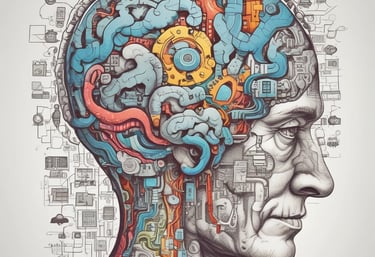
Head & Brain
Short, clear evaluation for headaches, seizures, memory changes, and cognitive symptoms.
Learn more >
Managing neuropathy, tremors, imbalance, and nerve-related symptoms with precise testing and personalized treatment.
Learn more >
Comprehensive evaluation for brain tumors, masses, and neurological changes — from first symptoms to ongoing management.
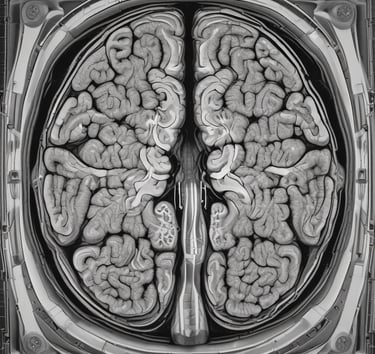
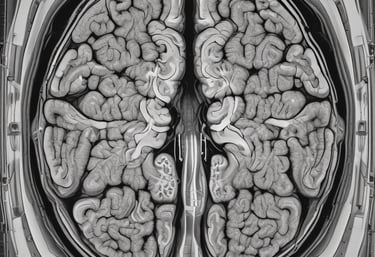


Same-day MRI, EEG, and EMG/NCS testing available onsite to help diagnose symptoms accurately and quickly.
Learn more >
Request an Appointment or Ask a Question
Our team responds within one business day.
For urgent concerns, please call us directly.
Phone
Location
Serving Central Florida
Seminole • Orange • Volusia • Lake County
Please do not submit sensitive medical information through this form.
For emergencies, call 911.
Contact Us
Serving Central Florida
Seminole County
Lake Mary, Sanford, Longwood, Oviedo, Altamonte Springs, Winter Springs, Casselberry, Heathrow, Wekiwa Springs, Forest City, Sanlando Springs
Volusia County
Deltona, Orange City, DeBary, Lake Helen
Orange County
Orlando, Winter Park, Maitland, Apopka, Eatonville
Patient Center


Where precision medicine meets genuine compassion. We provide end-to-end diagnostics and treatment for the entire family under one roof.


© 2026 Charis Neurology. All rights reserved.
If you are experiencing a medical emergency, please dial 911 or go to the nearest emergency room. Do not use this website for urgent medical needs.