Vertigo is a specific symptom often described as spinning, swaying, or feeling unsteady, as though you or the world around you is moving when in fact it is not. It is fundamentally a neurological symptom, not a standalone diagnosis, and it frequently points to underlying dysfunction in the vestibular system (the inner ear balance apparatus), the brainstem, or the cerebellum.
It is important to distinguish vertigo from general dizziness or lightheadedness. True vertigo has a distinct rotational or motion quality and is typically caused by a specific, identifiable neurological or inner-ear condition. Accurately characterizing the type of dizziness you experience is critical to arriving at the correct diagnosis and treatment.
Common Causes of Vertigo
Vertigo can arise from a variety of conditions, broadly categorized as peripheral (inner-ear origin) or central (brain/brainstem origin):
Benign Paroxysmal Positional Vertigo (BPPV)
BPPV is the most common cause of vertigo. It occurs when small calcium carbonate crystals (otoconia) become dislodged from their normal position in the inner ear and migrate into the semicircular canals, where they interfere with fluid movement and trigger false signals of rotation. BPPV is characteristically triggered by changes in head position, such as rolling over in bed, looking up, or bending forward, and produces brief, intense spinning episodes lasting seconds to a minute.
Vestibular Migraines
Vestibular migraine is increasingly recognized as a common cause of recurrent vertigo, particularly in patients with a personal or family history of migraine. Episodes involve spinning or imbalance accompanied by headache, light sensitivity, sound sensitivity, and nausea. Vestibular migraine can occur with or without a classic headache, making diagnosis challenging without specialized neurological evaluation.
Meniere’s Disease
Meniere’s disease is characterized by recurrent episodes of severe vertigo lasting 20 minutes to several hours, accompanied by fluctuating hearing loss, tinnitus (ringing in the ears), and a sense of fullness in the affected ear. It results from abnormal fluid accumulation (endolymphatic hydrops) in the inner ear and typically affects one ear, though bilateral involvement can occur over time.
Vestibular Neuritis and Labyrinthitis
Vestibular neuritis involves inflammation of the vestibular nerve, usually following a viral infection. It causes sudden-onset, severe vertigo that persists for days and then gradually improves over weeks. Labyrinthitis is similar but also involves hearing loss, indicating that the cochlea (hearing organ) is also inflamed. These conditions can leave patients with chronic imbalance and motion sensitivity during the recovery period.
Central Causes of Vertigo
Central vertigo originates from pathology within the brain, particularly the brainstem or cerebellum. Causes include stroke, transient ischemic attack (TIA), multiple sclerosis, and posterior fossa tumors. Central vertigo is often accompanied by other neurological symptoms such as double vision, difficulty swallowing, facial numbness, arm or leg weakness, or severe gait instability. These “red flag” symptoms warrant urgent neurological evaluation.
Diagnostic Evaluation at Charis Neurology
A thorough, systematic evaluation is essential to distinguish the many causes of vertigo. At Charis Neurology, our diagnostic approach includes:
- Detailed history and characterization of dizziness type, duration, triggers, and associated symptoms
- Comprehensive neurological examination including assessment of eye movements (nystagmus), gait, coordination, and hearing
- Dix-Hallpike and supine roll tests for BPPV
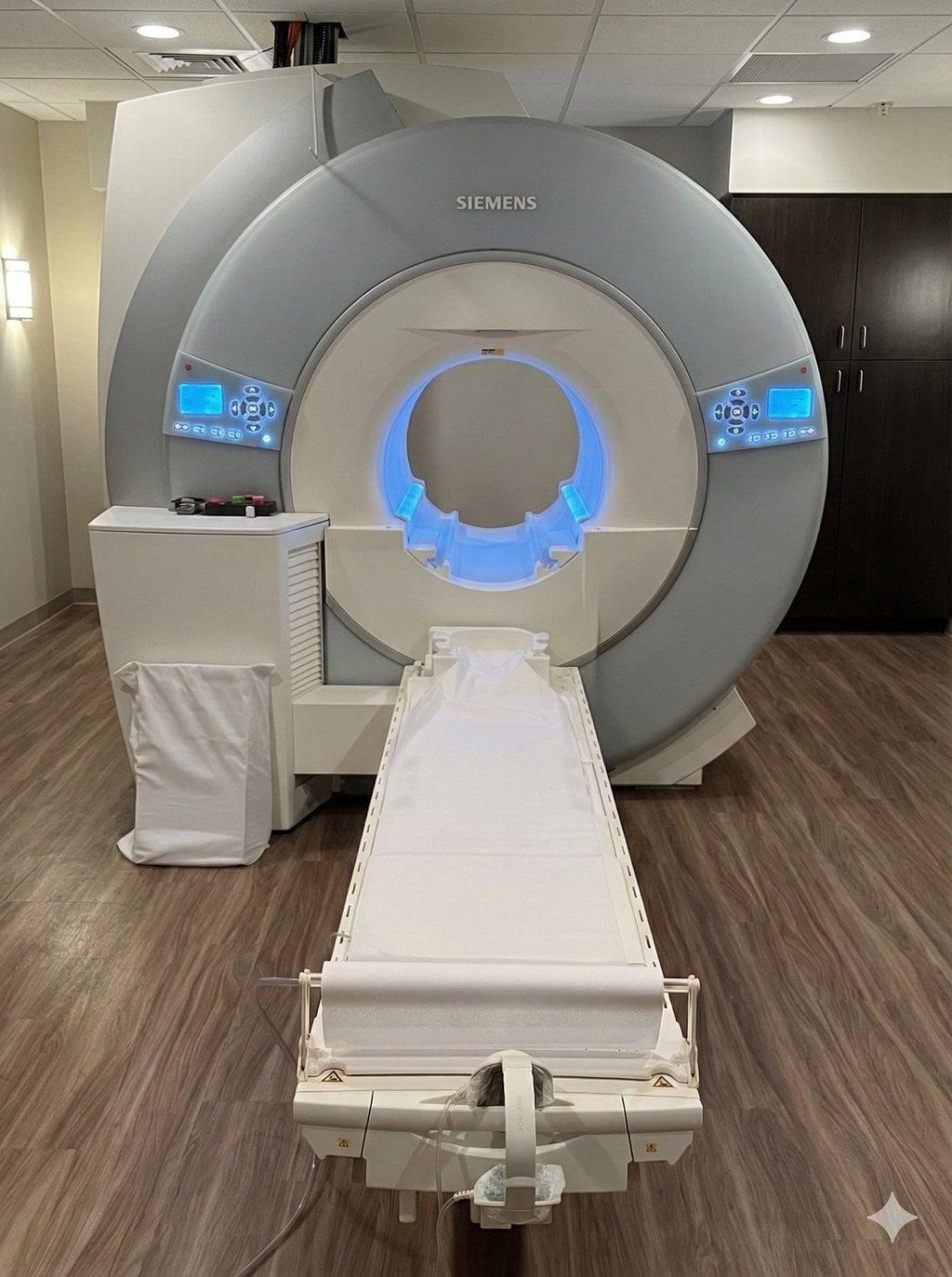
- MRI of the brain and posterior fossa to evaluate for central causes
- Vestibular function testing when indicated
Treatment Approaches
Treatment is highly individualized based on the underlying cause:
- BPPV: The Epley maneuver is a highly effective canalith repositioning procedure that can resolve BPPV in one or two office visits.
- Vestibular Migraine: Managed with migraine-specific preventive and acute treatments, including CGRP inhibitors when appropriate.
- Meniere’s Disease: Low-sodium diet, diuretics, intratympanic injections, and vestibular rehabilitation.
- Vestibular Neuritis/Labyrinthitis: Vestibular suppressants for acute phase, followed by vestibular rehabilitation therapy to accelerate recovery.
- Central Causes: Treatment directed at the underlying neurological condition (stroke management, MS disease modification, tumor treatment).
When to Seek Professional Care
You should consult a neurologist promptly if your vertigo:
- Is accompanied by sudden severe headache, double vision, facial numbness, or limb weakness
- Occurs with sudden hearing loss
- Is persistent or recurrent and affecting your ability to function
- Causes falls or significant gait instability
- Does not improve after several days
Sudden-onset severe vertigo with any of these accompanying symptoms may represent a stroke or TIA and requires emergency evaluation.
If you are experiencing recurrent or persistent vertigo, contact Charis Neurology at (407) 603-1633 to schedule a neurological evaluation. Our team will work to identify the precise cause of your symptoms and develop a targeted treatment plan to help you regain stability and confidence.