Tremors are one of the most common neurological symptoms, and one of the most frequently misunderstood. Many people dismiss shaky hands as a normal part of aging, stress, or too much coffee. But tremors deserve attention. They can range from a minor inconvenience to a severely disabling condition, and they can be the earliest sign of a serious underlying neurological disorder.
At Charis Neurology, we believe no symptom that disrupts your daily functioning should be brushed aside. Here is what you need to know about tremors, including when they warrant a neurological evaluation.
What Is a Tremor?
A tremor is an involuntary, rhythmic muscle contraction that leads to shaking or oscillating movements in one or more parts of the body. While hands are the most common location, tremors can affect the arms, head, voice, jaw, legs, or trunk. Importantly, tremors are symptoms, not standalone diseases. They may occur in isolation or as part of a broader neurological condition.
Types of Tremors
Essential Tremor (ET)
Essential tremor is the most prevalent pathological tremor type, affecting an estimated 10 million Americans. It typically affects both hands during movement or when holding a position (like holding a cup), often runs in families, and may worsen with stress, caffeine, or fatigue. Interestingly, small amounts of alcohol may temporarily improve symptoms in some patients, a clue that can help with diagnosis.
Parkinsonian Tremor
Parkinsonian tremor is distinctive because it appears at rest and typically diminishes with intentional movement. It usually begins on one side of the body and is associated with other hallmarks of Parkinson's disease, stiffness (rigidity), slowed movement (bradykinesia), and balance changes. Distinguishing Essential Tremor from Parkinsonian tremor is one of the most important, and sometimes challenging, diagnostic tasks in movement disorder neurology.
Cerebellar Tremor
Cerebellar tremor results from damage to the cerebellum, the brain region responsible for coordinating movement. It is an intention tremor, one that intensifies as the hand approaches its intended target. Multiple sclerosis, stroke, and certain genetic disorders can cause cerebellar tremor.
Dystonic Tremor
Dystonic tremor occurs in individuals who also have dystonia, a movement disorder involving abnormal, involuntary muscle contractions that cause twisting postures. This tremor type is often irregular and task-specific, meaning it appears or worsens during particular activities.
Physiologic Tremor
Physiologic tremor affects virtually all healthy individuals at some level, it is the normal, very fine tremor of the hands that becomes temporarily visible under conditions of stress, fatigue, anxiety, high caffeine intake, certain medications (like albuterol or stimulants), or medical conditions like hyperthyroidism. This variety is typically mild and resolves when the triggering factor is addressed.
When Should You See a Neurologist?
Seek a neurological evaluation if your tremors are:
- Progressively getting worse over weeks or months
- Interfering with writing, eating, drinking, or using your phone or computer
- Accompanied by other neurological symptoms such as balance problems, memory changes, stiffness, slowing, or weakness
- Associated with a family history of neurological disease (especially Essential Tremor, Parkinson's, or MS)
- New-onset after a medication change, medical illness, or head injury
Do not wait for the tremor to become debilitating before seeking evaluation. Early assessment gives us the best opportunity to identify the cause and intervene effectively.
How We Diagnose Tremors at Charis Neurology
Accurate tremor diagnosis requires more than watching someone shake their hands. Our comprehensive evaluation includes:
- Detailed Clinical History: Onset, progression, triggers, affected body parts, family history, medication review
- Neurological Examination: Assessment of tremor at rest, with posture, and with action, plus evaluation of gait, coordination, reflexes, and cognition
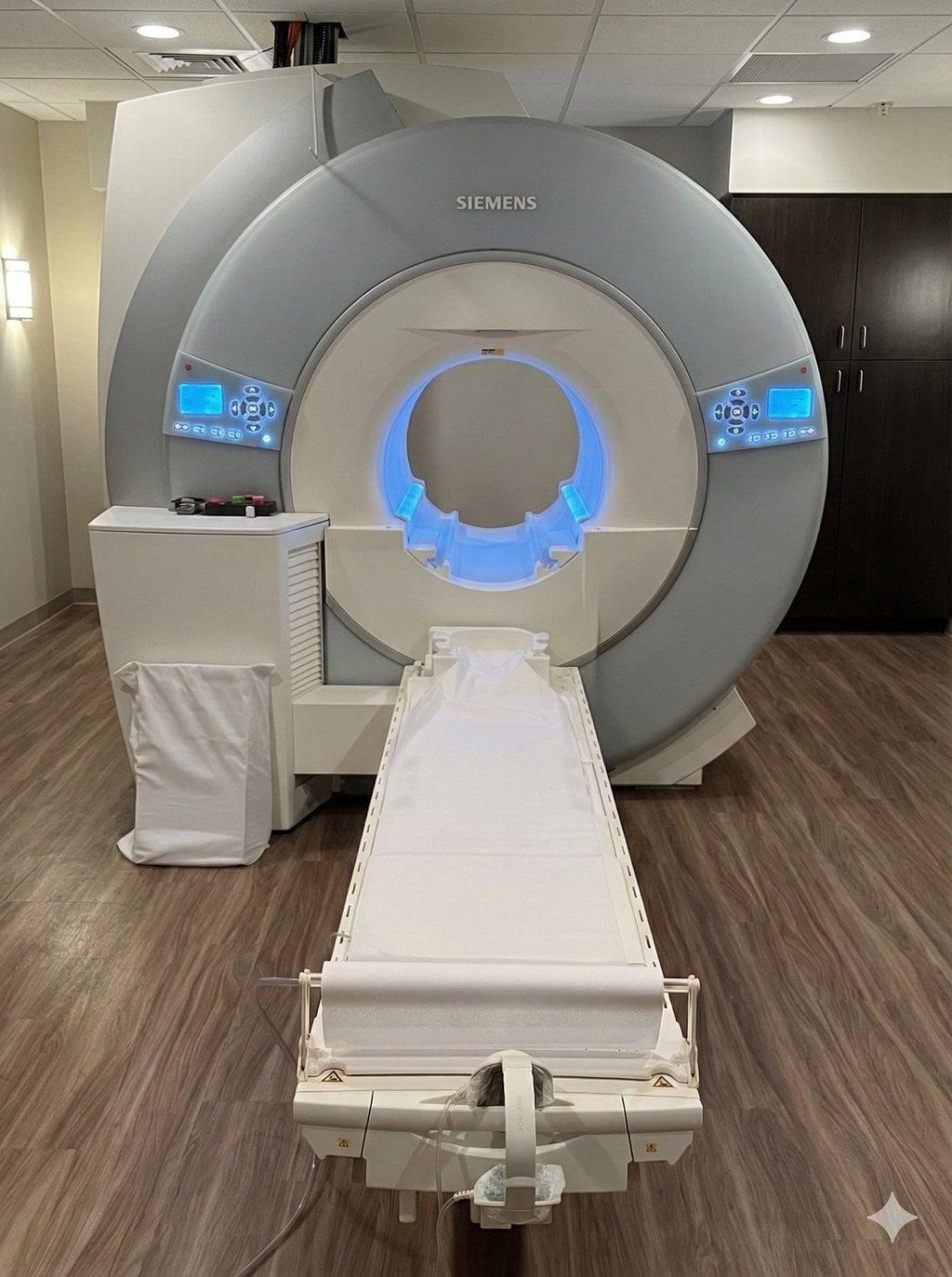
- Brain MRI: Our onsite wide-bore MRI rules out structural causes including tumors, stroke, and demyelinating disease
- EEG: When indicated to evaluate for associated cortical abnormalities
- Nerve Conduction Studies: To evaluate for peripheral nervous system contributions
- Blood Work: Thyroid function, metabolic panel, and targeted labs to rule out treatable systemic causes
Treatment Options
Treatment depends on the type of tremor, its severity, and how much it affects your quality of life. Not every tremor requires medication, but when intervention is warranted, we have a range of effective options:
- Medications: Beta-blockers (propranolol), primidone, and anti-anxiety agents are commonly used for Essential Tremor. Parkinson's tremor responds to levodopa and dopamine agonists.
- Botulinum Toxin (Botox) Injections: Particularly effective for focal tremors affecting the head, voice, or hand.
- Physical and Occupational Therapy: Adaptive strategies and strengthening can reduce functional disability.
- Lifestyle Adjustments: Reducing caffeine, optimizing sleep, and managing stress can meaningfully reduce tremor burden.
- Deep Brain Stimulation (DBS): For severe, medication-refractory Essential Tremor or Parkinson's tremor, DBS offers dramatic relief. Charis Neurology works in collaboration with neurosurgical partners when this option is appropriate.
Don't Shake It Off, Get Evaluated
A tremor may be nothing. Or it may be the first signal of a condition where early intervention makes a real difference. The only way to know is a proper neurological evaluation.
At Charis Neurology, we offer advanced diagnostics, personalized treatment plans, and compassionate, unhurried care for patients throughout Lake Mary, Sanford, Longwood, Oviedo, Altamonte Springs, and the greater Central Florida region.
Charis Neurology
775 Primera Blvd, Suite 1031
Lake Mary, FL 32746
Phone: (407) 603-1633
Hours: Monday to Friday, 8:00 AM to 5:00 PM