Epilepsy is a neurological condition characterized by recurrent, unprovoked seizures, episodes of abnormal, excessive electrical activity in the brain that disrupt normal brain function. Seizures can manifest in remarkably diverse ways, ranging from brief moments of staring or subtle behavioral changes to dramatic convulsions involving the entire body. Epilepsy is not a single disease but rather a spectrum of conditions, each with distinct causes, seizure types, and treatment requirements.
Approximately 3.4 million Americans live with active epilepsy, making it one of the most common serious neurological disorders. Despite its prevalence, epilepsy remains widely misunderstood, and that misunderstanding can be a barrier to timely diagnosis and effective care.
Recognizing the Symptoms
Seizures are the hallmark of epilepsy, but they take many different forms. Common seizure symptoms include:
- Temporary confusion: A period of disorientation or “foggy” thinking following or during a seizure.
- Staring spells: Brief episodes of unresponsiveness or “absence” where the person appears to be staring into space, common in absence epilepsy.
- Uncontrollable jerking movements: Rhythmic, involuntary jerking of the arms, legs, or face (clonic movements).
- Tonic-clonic seizures: Loss of consciousness accompanied by stiffening of the body followed by rhythmic jerking; previously called “grand mal” seizures.
- Loss of consciousness or awareness: May occur with or without physical convulsions.
- Psychological or sensory symptoms: Feelings of fear, anxiety, or déjà vu; unusual tastes or smells; visual disturbances, these often represent focal onset seizures originating in specific brain regions.
Early and accurate recognition of these symptoms is crucial, as it directly influences the speed and accuracy of diagnosis and the effectiveness of treatment. Not all events that look like seizures are epileptic, and not all epileptic seizures look like what most people envision.
Comprehensive Diagnosis at Charis Neurology
Diagnosing epilepsy requires a careful, multi-faceted evaluation. At Charis Neurology, our diagnostic process includes:
- Detailed clinical history: A thorough account of seizure semiology (what the seizure looks and feels like), frequency, duration, triggers, and the circumstances surrounding each event, including eyewitness accounts when available.
- Neurological examination: Assessment of cognitive function, reflexes, coordination, and other neurological parameters.
- EEG (electroencephalogram): Measures brain electrical activity and can identify seizure patterns, abnormal discharges, and epileptic syndromes. Charis Neurology performs EEG in-office.
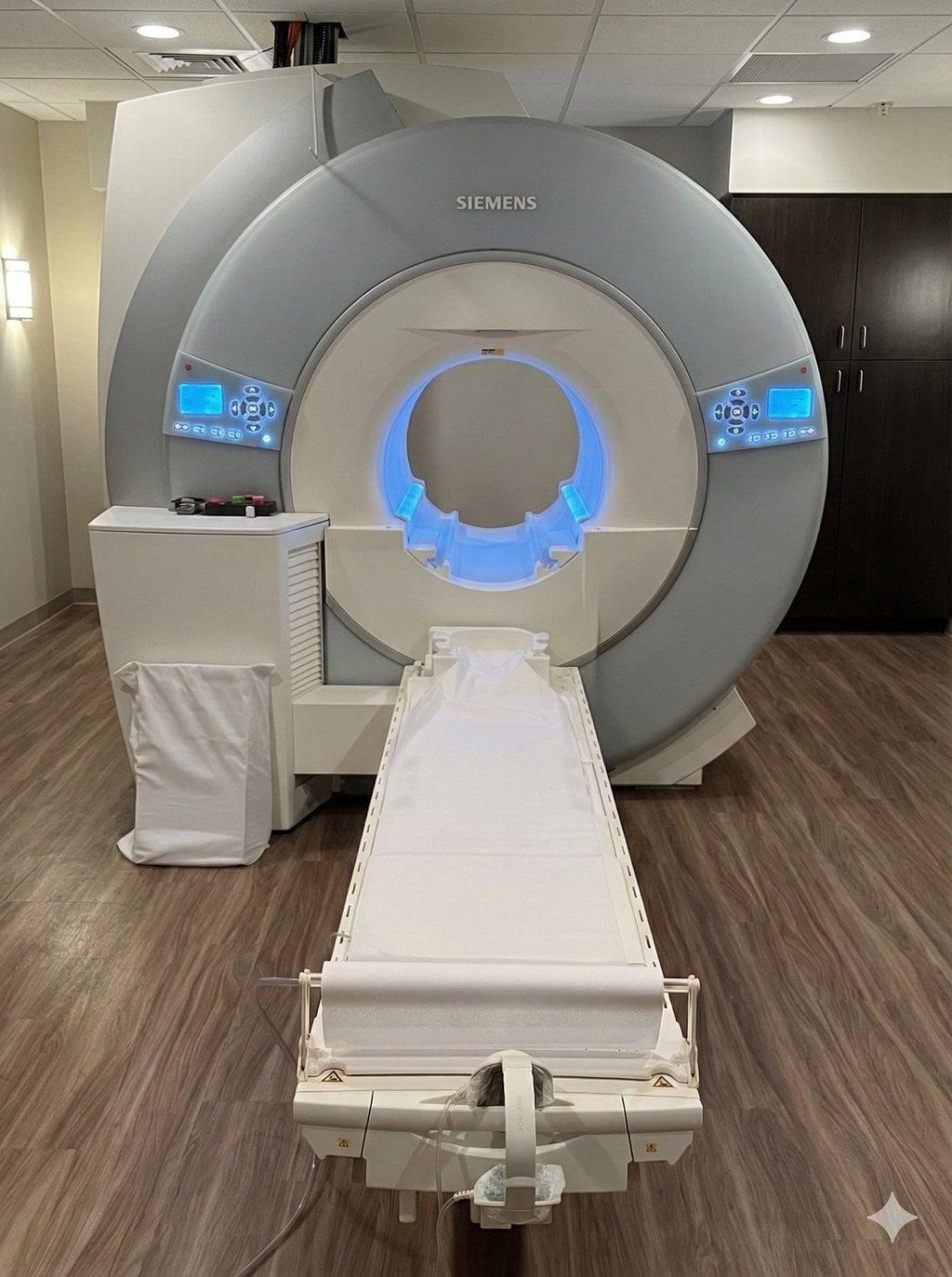
- MRI of the brain: Identifies structural causes of epilepsy such as hippocampal sclerosis, cortical dysplasia, tumors, or vascular malformations. On-site MRI is available at Charis Neurology.
- CT scan: May be used in urgent settings to rule out acute structural pathology.
- Blood work: To evaluate for metabolic or genetic contributions.
Accurate seizure classification, determining the seizure type and epilepsy syndrome, is the foundation of effective treatment. Different types of epilepsy respond to different medications, and some medications can actually worsen certain seizure types.
Innovative Treatments and Personalized Care
Epilepsy treatment has advanced dramatically in recent decades, with over 20 FDA-approved antiepileptic drugs (AEDs) now available, as well as a growing range of non-pharmacological options. At Charis Neurology, our approach is holistic and patient-centered:
Antiepileptic Medications
Medication selection is highly individualized, taking into account seizure type, epilepsy syndrome, patient age, gender, comorbidities, potential drug interactions, and personal preferences regarding tolerability. Achieving seizure freedom with the first medication is possible in approximately 50% of patients; for those who do not respond to initial therapy, systematic trials of alternative or combination regimens are pursued.
Lifestyle Modifications
- Sleep hygiene: Sleep deprivation is one of the most common seizure triggers, maintaining consistent, adequate sleep is a critical component of epilepsy management.
- Stress reduction: Mindfulness, relaxation techniques, and counseling can help manage stress-related seizure triggers.
- Dietary therapies: The ketogenic diet and its variants (modified Atkins diet, low glycemic index treatment) are evidence-based options for patients with drug-resistant epilepsy, particularly children.
- Avoiding triggers: Alcohol, certain medications, photosensitive stimuli, and other identified personal triggers.
Advanced Therapies
For patients with drug-resistant epilepsy, defined as failure of two or more appropriately chosen and tolerated AEDs, additional options include:
- Vagus Nerve Stimulation (VNS): An implanted device that delivers regular electrical impulses to the brain via the vagus nerve, reducing seizure frequency.
- Responsive Neurostimulation (RNS): A brain-implanted device that detects abnormal electrical activity and delivers targeted stimulation to prevent seizure onset.
- Deep Brain Stimulation (DBS): Approved for epilepsy, targeting the anterior nucleus of the thalamus.
- Epilepsy surgery: For carefully selected candidates with a clearly identified seizure focus, surgical resection can be curative. Referral to a comprehensive epilepsy center is coordinated when evaluation is indicated.
The Importance of Ongoing Support
Managing epilepsy goes far beyond medication. The psychological, social, and practical dimensions of living with a seizure disorder can be profound. Driving restrictions, employment considerations, social stigma, and the unpredictable nature of seizures all affect quality of life.
At Charis Neurology, we recognize that comprehensive epilepsy care must encompass:
- Emotional and psychological support for patients and caregivers
- Education about seizure first aid, safety precautions, and SUDEP (Sudden Unexpected Death in Epilepsy) risk reduction
- Guidance on driving laws and restrictions in Florida
- Referral to counseling or mental health resources when needed
- Connection to community support groups and patient advocacy organizations such as the Epilepsy Foundation
Take the Next Step with Charis Neurology
If you or a loved one is experiencing seizures or has been diagnosed with epilepsy, you do not have to face it alone. Our expert neurological team at Charis Neurology is dedicated to providing exceptional diagnostic evaluation, advanced treatment options, and compassionate, ongoing support tailored to your unique needs and goals.
Schedule a consultation today by calling (407) 603-1633 or visiting us at 775 Primera Blvd, Suite 1031, Lake Mary, FL 32746. Let us help you navigate your path to better seizure control and a fuller, more confident life.