Brain metastases occur when cancer cells spread from a primary tumor elsewhere in the body, most commonly lung, breast, melanoma, kidney, or colon cancer, to the brain. They are the most common type of brain tumor in adults, and their diagnosis requires a specialized neurological approach.
Symptoms can include:
- Headaches, often worse in the morning or with position changes
- Seizures
- Changes in speech, vision, or memory
- Difficulty with balance or motor coordination
- Cognitive impairment or personality changes
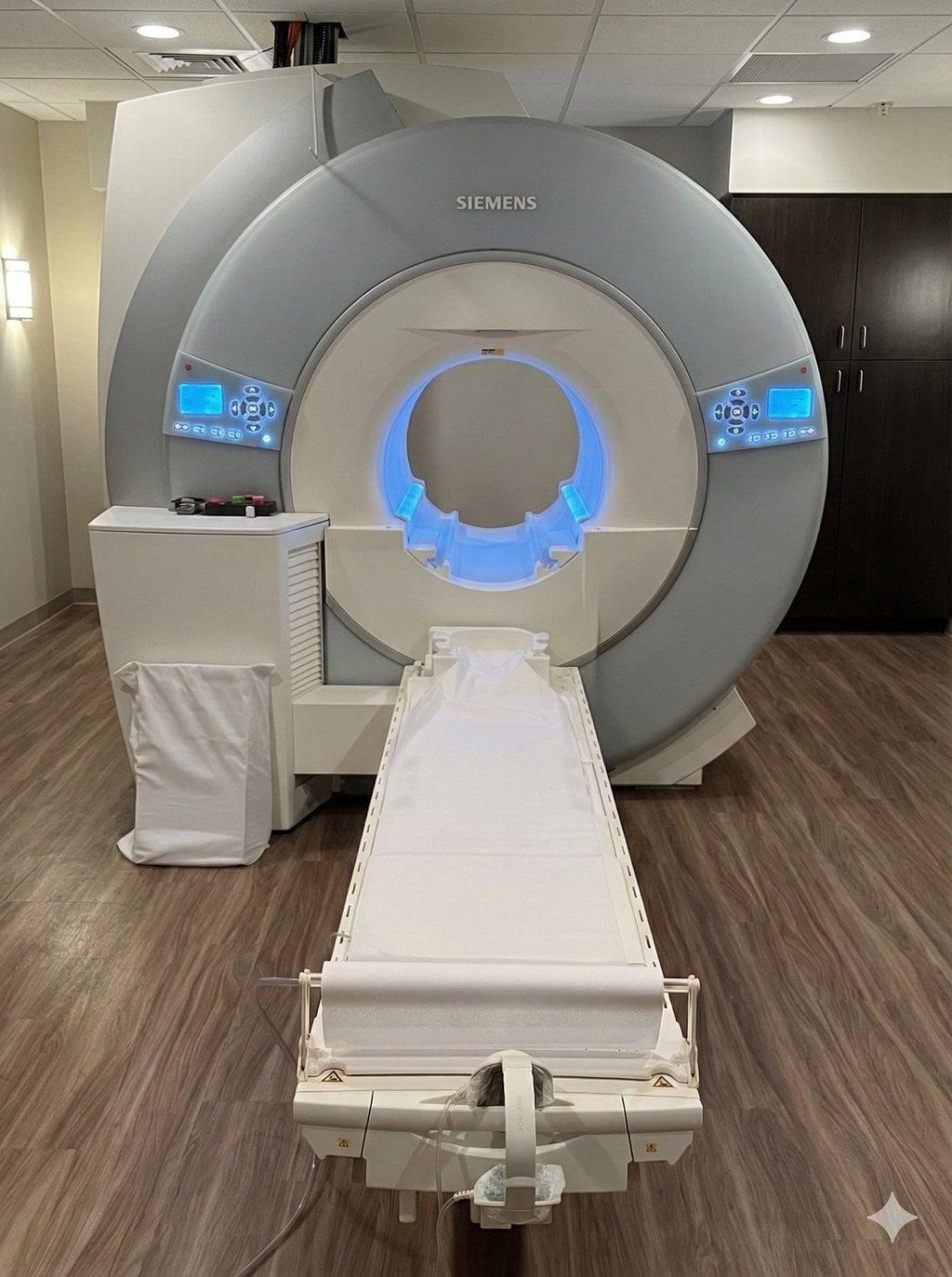
Diagnosis typically relies on advanced neuroimaging, particularly gadolinium-enhanced MRI, to detect metastatic lesions. Additional evaluations may include CT scans and other testing to locate the cancer’s primary site if it is not already known.
Leptomeningeal Metastases (LM)
Sometimes called carcinomatous meningitis, leptomeningeal metastases occur when cancer cells spread to the thin layers of tissue (the meninges) surrounding the brain and spinal cord. LM is less common than parenchymal brain metastases but presents unique diagnostic and treatment challenges.
Symptoms can include:
- Severe headaches and neck stiffness
- Confusion or cognitive changes
- Cranial nerve deficits, changes in vision, hearing, or facial sensation
- Limb weakness or numbness
- Difficulty walking or loss of bladder/bowel control
Diagnosis usually involves MRI of the brain and entire spine, plus a lumbar puncture (spinal tap) to analyze cerebrospinal fluid (CSF) for cancer cells and other markers of leptomeningeal involvement.
Treatment Approaches
1. Radiation Therapy
- Stereotactic Radiosurgery (SRS): Delivers precisely targeted radiation to individual metastatic lesions without significantly affecting surrounding healthy brain tissue. SRS is often preferred for patients with a limited number of metastases.
- Whole-Brain Radiation Therapy (WBRT): Treats widespread metastatic disease distributed throughout the brain, typically used when SRS is not feasible.
2. Surgery
For accessible tumors causing increased intracranial pressure or significant neurological symptoms, neurosurgical resection may be an option. Surgery can provide immediate symptom relief and allows for tissue diagnosis to guide further treatment planning.
3. Systemic Therapies
Chemotherapy or targeted therapies that can cross the blood-brain barrier can help control cancer growth within the central nervous system. Immunotherapy has also shown meaningful promise in treating certain types of metastatic brain disease, particularly for melanoma and lung cancer.
4. Intrathecal Therapy (for LM)
Delivery of chemotherapy or targeted agents directly into the cerebrospinal fluid, via lumbar puncture or an Ommaya reservoir, can help reach cancer cells in the meninges that systemic treatments may not adequately address.
5. Supportive Care
- Corticosteroids to reduce brain swelling and edema
- Seizure medications to control or prevent seizure activity
- Physical and occupational therapy to maintain function and quality of life
What To Ask Your Neurologist or Neuro-Oncologist
- Treatment Goals: Are we aiming to reduce symptoms, improve quality of life, or potentially slow disease progression, and how do these goals align with my overall oncologic situation?
- Side Effects: What common side effects should I expect from radiation, surgery, or drug therapies, and how will they be managed?
- Clinical Trials: Are there any ongoing trials that might benefit my specific type of metastatic cancer?
- Multidisciplinary Team: How will my care be coordinated between neurology, oncology, neurosurgery, and other specialists?
How Charis Neurology Can Help
At Charis Neurology, our neuro-oncology approach centers on personalized care plans that consider each patient’s overall health, type of primary cancer, disease burden, and individual goals. Our services include:
- Advanced Diagnostics: High-resolution MRI and specialized lab and CSF testing.
- Collaborative Care: Close coordination with oncologists, neurosurgeons, radiologists, and other specialists to ensure a comprehensive, unified strategy.
- Supportive Services: Infusion therapies, symptom management, and rehabilitative care to maintain quality of life throughout treatment.
Looking Ahead: Prevention and Ongoing Research
While not all brain metastases or leptomeningeal metastases can be prevented, regular follow-up and imaging are critical for patients with known cancers at elevated risk. Ongoing research is exploring better methods to detect and treat metastatic CNS disease at earlier stages, from targeted therapies and next-generation immunotherapy to blood-based liquid biopsy approaches that may one day detect CNS metastases before symptoms appear.
If you or a loved one have been diagnosed with cancer and are experiencing new neurological symptoms, or if your oncologist has identified brain involvement, we encourage you to contact Charis Neurology in Lake Mary for a specialist consultation.