Neuropathy involves nerve damage or dysfunction, producing a range of distressing symptoms that can significantly affect daily life. The most common symptoms include:
- Pain: A burning, stabbing, or shooting pain that can be constant or intermittent.
- Numbness and Tingling: Reduced sensation, typically in the feet and hands, which may feel like “pins and needles.”
- Sensitivity to Touch: Even a light touch may cause significant discomfort, a condition known as allodynia.
These symptoms stem from abnormal nerve signals triggered by injury, inflammation, or underlying medical conditions. Understanding the root cause is the first step toward effective management.
Common Causes and Diagnosis
Multiple factors can cause painful neuropathy. Identifying the underlying cause is essential for tailoring treatment:
- Diabetes: High blood sugar damages nerves over time, leading to diabetic peripheral neuropathy, one of the most common forms.
- Chemotherapy: Cancer treatments may cause chemotherapy-induced peripheral neuropathy (CIPN), a well-known side effect.
- Vitamin Deficiencies: Insufficient B12 levels, as well as deficiencies in B6 and folate, contribute to nerve damage.
- Infections or Autoimmune Disorders: Conditions such as Lyme disease, shingles, HIV, rheumatoid arthritis, and lupus can affect nerve health.
- Idiopathic Neuropathy: In some cases, the origin remains unknown even after thorough workup.
Diagnosis involves a thorough clinical evaluation, detailed medical and family history, nerve conduction studies (NCS), and electromyography (EMG) testing to determine the extent and location of nerve damage. Blood work and imaging may also be ordered to identify contributing conditions.
Comprehensive Management Strategies
Effective management of painful neuropathy combines multiple approaches, tailored to each patient’s unique situation.
Medications
Several medication classes are commonly used to manage neuropathic pain:
- Anticonvulsants such as gabapentin (Neurontin) and pregabalin (Lyrica) help stabilize abnormal nerve signals and reduce pain.
- Antidepressants including tricyclics (amitriptyline, nortriptyline) and SNRIs (duloxetine, venlafaxine) relieve pain and also address mood disturbances that often accompany chronic pain.
- Topical treatments like lidocaine patches and capsaicin cream provide localized relief with minimal systemic side effects.
- Opioids may be considered in select cases for short-term management of severe pain, under careful supervision.
Lifestyle Modifications
- Low-impact exercise such as walking, swimming, or cycling improves blood flow to peripheral nerves and can reduce neuropathic symptoms over time.
- Balanced diet rich in B vitamins, antioxidants, and anti-inflammatory foods supports overall nerve health.
- Blood sugar control is critical for diabetic patients, maintaining target glucose levels can slow or prevent further nerve damage.
- Stress management techniques including mindfulness, meditation, and relaxation exercises help ease the chronic pain burden.
Physical and Occupational Therapy
Physical therapists design customized exercise programs to improve strength, balance, and mobility, all of which are often compromised by neuropathy. Occupational therapists teach strategies to perform daily tasks safely and prevent falls and injuries, particularly for those with foot and hand involvement.
Complementary Therapies
- Acupuncture has been shown to offer meaningful pain relief for some patients with peripheral neuropathy by modulating pain pathways.
- Transcutaneous Electrical Nerve Stimulation (TENS) uses mild electrical impulses to disrupt pain signals non-invasively, offering relief without medication.
- Massage therapy may improve circulation and reduce pain sensitivity in affected extremities.
Advanced Diagnostics and Treatment Adaptation
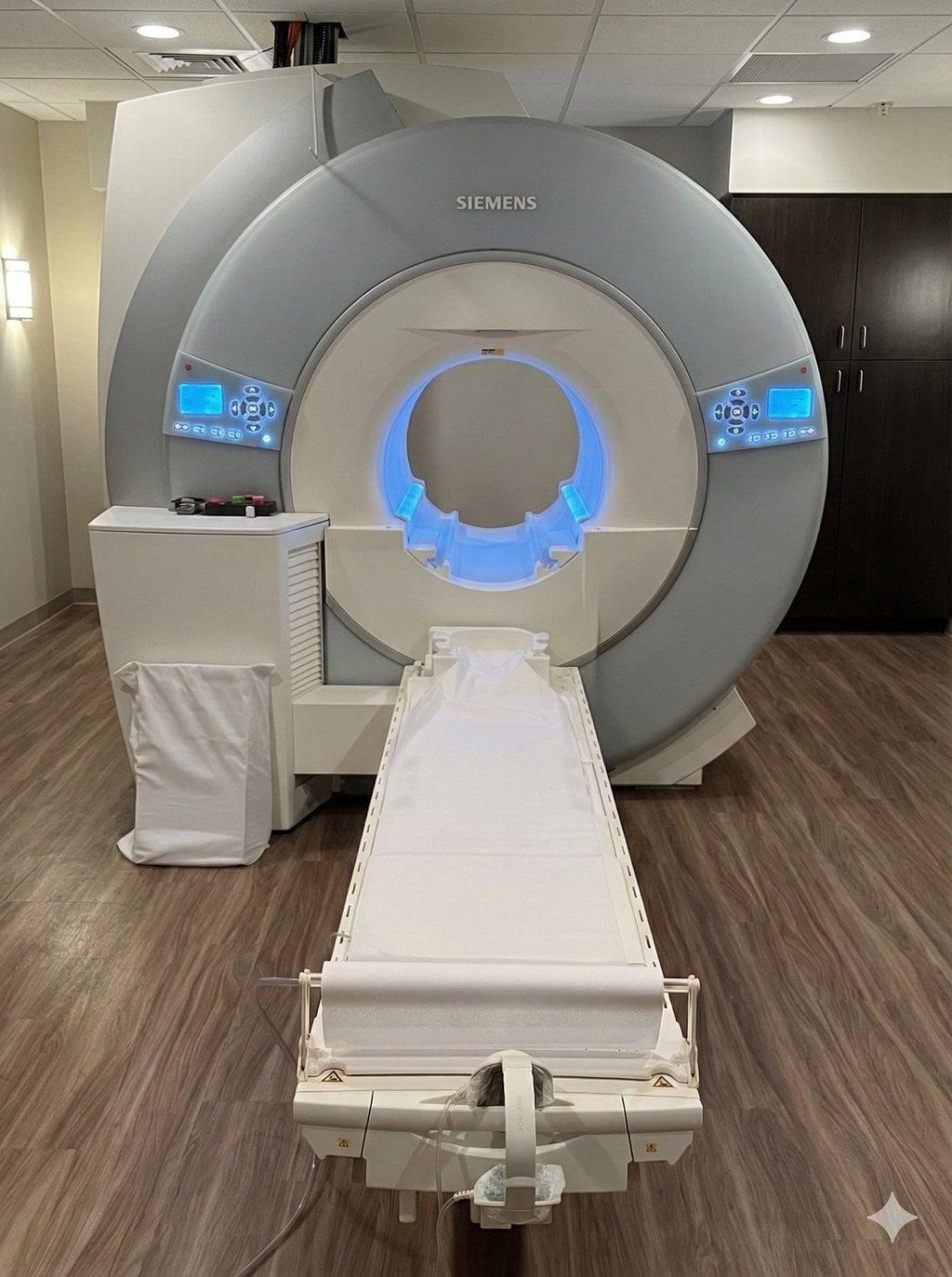
At Charis Neurology, cutting-edge imaging and advanced diagnostic techniques allow our team to precisely characterize the type and severity of neuropathy, enabling highly personalized treatment plans. As your condition evolves, your treatment plan evolves with it, ensuring you receive the most effective interventions at every stage.
When to See a Neurologist
If you are experiencing progressive numbness, burning pain, balance problems, or weakness in your hands or feet, it is important to consult a neurologist promptly. Early diagnosis and treatment can help prevent further nerve damage and significantly improve your quality of life.
Conclusion
Effective management of painful neuropathy requires a thorough understanding of its underlying causes and a comprehensive, multi-modal treatment strategy that addresses both the physical and emotional dimensions of chronic pain. With the right care team and personalized plan, most patients can achieve meaningful symptom relief and an improved quality of life. The expert team at Charis Neurology is here to guide you through every step of that journey.