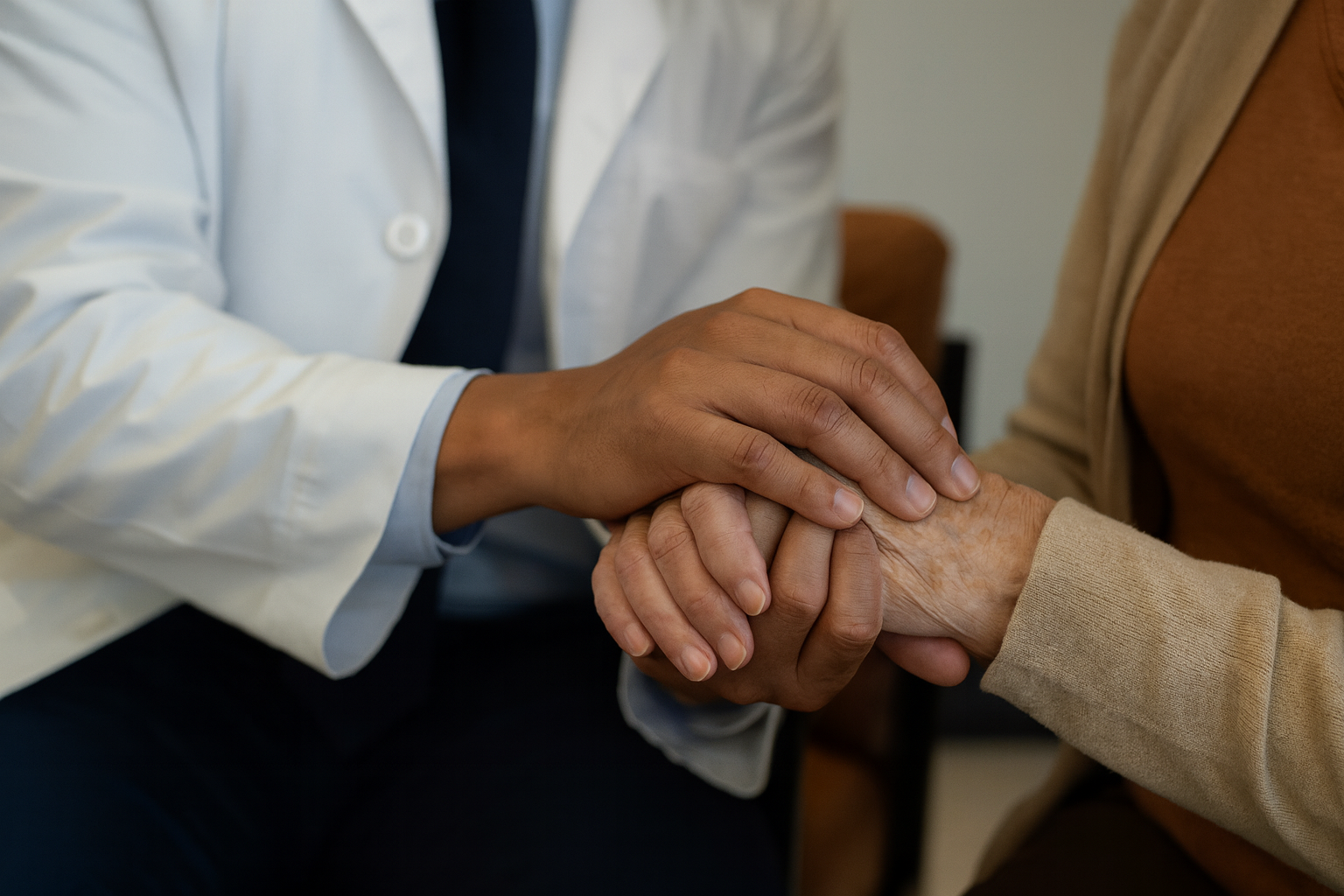
When someone receives a glioblastoma diagnosis, their world shifts dramatically and uncertainty becomes pervasive. Multiple questions emerge simultaneously, about treatment options, prognosis, what each day ahead might look like, and how to support a loved one navigating one of the most challenging diagnoses in medicine. Glioblastoma multiforme (GBM) is the most aggressive primary brain tumor in adults, and the emotional weight of that reality is profound.
Yet throughout these challenging times, compassion serves as a stabilizing and deeply humanizing force, not a substitute for medical expertise, but an essential companion to it.
Understanding Glioblastoma
Glioblastoma is a Grade IV astrocytoma, the highest grade of malignancy among primary brain tumors, classified by the World Health Organization. It arises from astrocytes, the star-shaped glial cells that support neurons in the brain. GBM is characterized by rapid growth, infiltration of surrounding brain tissue, and a propensity for recurrence even after aggressive treatment.
Key facts about glioblastoma:
- It accounts for approximately 14.5% of all primary brain tumors and nearly 50% of all malignant primary brain tumors.
- The median age at diagnosis is 64 years, though GBM can occur at any age.
- Symptoms often include progressive headaches, cognitive or personality changes, focal neurological deficits (weakness, speech difficulty, vision changes), and new-onset seizures.
- Molecular markers, including MGMT promoter methylation status and IDH mutation, play an important role in predicting treatment response and prognosis.
The Treatment Landscape
The current standard of care for newly diagnosed GBM, established by the landmark Stupp protocol, involves surgical resection followed by concurrent radiation therapy and temozolomide (TMZ) chemotherapy, followed by adjuvant temozolomide cycles. For eligible patients with MGMT-methylated tumors, this approach has been shown to meaningfully extend survival.
Additional treatment considerations and emerging options include:
- Tumor Treating Fields (TTFields / Optune): A non-invasive device approved by the FDA for newly diagnosed and recurrent GBM that uses alternating electric fields to disrupt cancer cell division.
- Bevacizumab (Avastin): An anti-angiogenic agent approved for recurrent GBM that targets the blood vessels feeding the tumor.
- Clinical trials: Immunotherapy approaches (checkpoint inhibitors, CAR-T cells, tumor vaccines), targeted molecular therapies, and novel drug delivery methods are the subject of active investigation. Enrollment in a clinical trial, when eligible, may provide access to promising next-generation treatments.
- Re-resection: Repeat surgical removal of recurrent tumor may be appropriate in selected patients with accessible disease and good functional status.
The neurological oncology team at Charis Neurology works in close coordination with neurosurgeons, radiation oncologists, and medical oncologists to provide integrated, subspecialty-level neuro-oncology care for GBM patients throughout their treatment journey.
The Role of Compassion in the GBM Journey
Dr. Sherif Makar, founder of Charis Neurology and a UCNS-certified neuro-oncologist, understands that outstanding GBM care requires more than clinical expertise, it requires compassion, clear communication, and genuine partnership with patients and families.
Compassion in glioblastoma care manifests in many forms:
- Clear, honest communication: Patients and families deserve straightforward, compassionate explanations of diagnosis, prognosis, and treatment options, delivered with sensitivity and respect for individual values and preferences.
- Emotional support during difficult moments: The psychological burden of a GBM diagnosis is immense. Providing space for patients to express fear, grief, and hope, and connecting them to counseling, social work, and support groups, is integral to holistic care.
- Empowering autonomy: Healthcare teams that practice empathetic dialogue foster greater patient confidence and autonomy in decision-making. When patients feel genuinely heard and understood, they engage more actively in their care.
- Community and connection: Support systems, whether in-person community groups, digital patient communities, or family networks, reinforce the essential message that patients need not navigate this path alone.
Despite the challenges of varying treatment responses and individual outcomes, compassion provides something that no medication can fully replace: hope, comfort, and the reminder that even in profound uncertainty, patients are not alone.
Palliative Care and Quality of Life
An important dimension of glioblastoma care that is often underemphasized is early integration of palliative care, not as an alternative to treatment, but alongside it. Palliative neurology focuses on managing symptoms such as seizures, corticosteroid side effects, fatigue, cognitive changes, and pain, while actively supporting quality of life throughout the treatment course.
Advance care planning, including conversations about goals of care, resuscitation preferences, and end-of-life wishes, is a compassionate act that should ideally begin early, when patients are best able to articulate their values and preferences.
Specialized Neuro-Oncology Care at Charis Neurology
Charis Neurology offers specialized neuro-oncology consultation and ongoing neurological management for patients with glioblastoma and other brain tumors in Central Florida. Our services include:
- Neuro-oncology consultation and second opinions for newly diagnosed GBM
- Neurological symptom management throughout the treatment course
- Seizure evaluation and antiepileptic medication management
- Coordination with neurosurgery, radiation oncology, and medical oncology teams
- Guidance on clinical trial eligibility and enrollment
- Support for patients and families navigating the emotional and practical dimensions of a GBM diagnosis
If you or a loved one is facing a glioblastoma diagnosis, we encourage you to seek subspecialty neuro-oncology evaluation early. Contact Charis Neurology at (407) 603-1633 or visit us at 775 Primera Blvd, Suite 1031, Lake Mary, FL 32746. We are here to provide expert guidance, compassionate support, and a partnership that lasts throughout your journey.