Alzheimer’s disease is a progressive neurological disorder in which brain cells gradually deteriorate and lose their ability to communicate. Over time, this results in memory loss, difficulties with reasoning and language, and changes in behavior and personality. It is the most common cause of dementia, accounting for 60 to 80% of cases, and primarily affects older adults, though it is not a typical or inevitable part of aging.
Understanding Alzheimer’s, its early signs, its stages, and the care strategies available, is the first step toward navigating this diagnosis with knowledge and confidence.
Early Signs and Symptoms
Alzheimer’s disease often begins with subtle changes that can be easy to dismiss. Knowing the warning signs, and acting on them early, can make a meaningful difference in outcomes. Key indicators include:
- Memory Lapses: Frequent forgetfulness about recent information, appointments, or conversations, particularly when the forgotten information does not come back later.
- Difficulty Completing Tasks: Challenges with familiar activities like cooking a recipe, managing finances, or following directions that were once routine.
- Language and Communication Issues: Pausing mid-sentence, struggling to find the right word, or using incorrect words when speaking or writing.
- Disorientation: Getting lost in familiar locations, losing track of dates or the passage of time, or confusion about where one is or how one got there.
- Mood and Personality Changes: Increased anxiety, suspicion, depression, or social withdrawal, particularly changes that feel out of character for the individual.
If you or a loved one are experiencing several of these symptoms, early evaluation by a neurologist is strongly recommended. Earlier diagnosis opens the door to more treatment options and more time for planning.
How Alzheimer’s Progresses
Alzheimer’s disease unfolds across a spectrum from mild to severe, though the pace and specific features vary significantly between individuals.
- Mild Stage: The person can largely function independently, but experiences noticeable memory gaps, forgetting recent conversations, losing track of familiar items, or struggling with complex planning tasks.
- Moderate Stage: Greater difficulty with routine tasks, increased confusion about time and place, and growing challenges with language. Caregiver support becomes increasingly important at this stage.
- Severe Stage: Extensive memory loss, loss of awareness of recent events, and significant physical challenges including difficulty walking, eating, and swallowing. Around-the-clock care is typically required.
Diagnosis and Treatment
Medical Evaluation
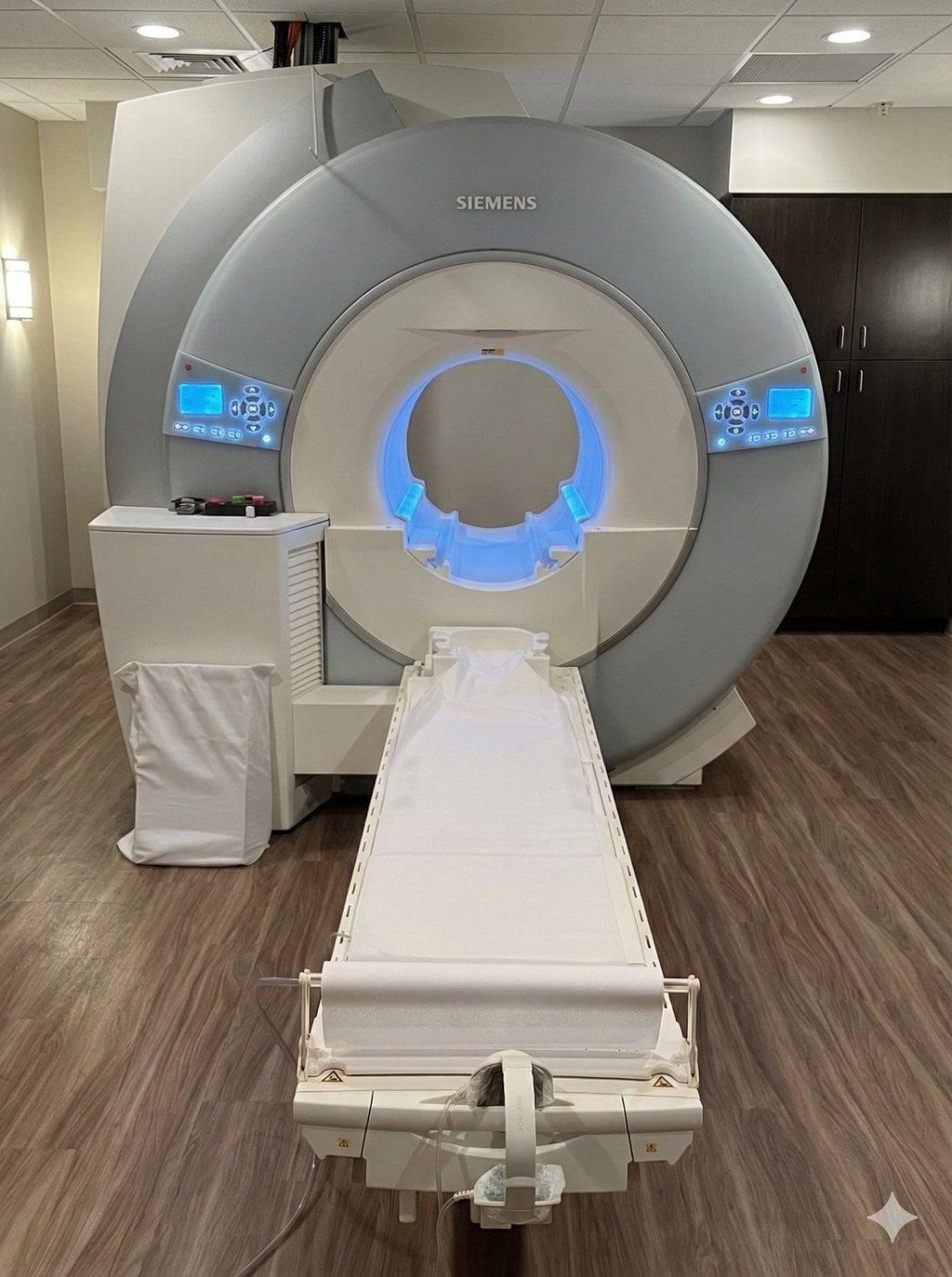
A thorough Alzheimer’s evaluation at Charis Neurology includes cognitive testing, detailed medical history review, neurological examination, and brain imaging, MRI or PET scans, to rule out other causes of memory change and characterize the pattern of brain involvement. In some cases, biomarker testing through blood or cerebrospinal fluid analysis provides additional diagnostic precision.
Medications
Cholinesterase inhibitors such as donepezil (Aricept) and rivastigmine (Exelon) can help manage symptoms of mild to moderate Alzheimer’s by supporting neurotransmitter function. Newer disease-modifying therapies, including lecanemab (Leqembi) and donanemab (Kisunla), have shown the ability to slow cognitive decline in early-stage Alzheimer’s by targeting amyloid plaques, and are available to eligible patients at specialized centers.
Lifestyle Adjustments
- Regular physical exercise supports cardiovascular health and may slow cognitive decline
- A nutritious, brain-healthy diet (such as the Mediterranean or MIND diet)
- Social engagement and mental stimulation through community involvement, learning, and creative activities
- Participation in clinical trials exploring new diagnostics and therapies
Caring for Someone with Alzheimer’s
Communication and Patience
Caregivers should speak slowly, use clear and simple sentences, and allow adequate time for the person to respond. Avoid arguing or correcting, instead, redirect and validate feelings. Non-verbal cues like a calm tone and gentle touch can communicate reassurance when words become difficult.
Safe and Supportive Environment
Reduce clutter and visual confusion in the home, label household items and common areas, ensure proper lighting throughout the day, and remove or secure potential hazards. These environmental modifications can reduce accidents and lower anxiety significantly.
Structured Routine
Consistent daily schedules for meals, activities, and sleep provide predictability that helps reduce anxiety and behavioral symptoms. Even small rituals can be grounding and reassuring for someone with Alzheimer’s.
Self-Care for Caregivers
Caregiver burnout is a real and serious risk. Respite care, support groups, counseling, and regular time for personal health and relationships are not luxuries, they are essential to sustainable caregiving. Charis Neurology can connect families with community resources and support services.
Key Takeaways
- Alzheimer’s progressively impacts memory, thinking, and behavior, but is not a normal part of aging
- Early warning signs include forgetfulness, task completion difficulties, language problems, disorientation, and personality shifts
- Modern diagnosis combines clinical evaluation, imaging, and biomarker testing for greater precision
- Management through medications, healthy lifestyle habits, and thoughtful care strategies can meaningfully improve quality of life
- Both patients and caregivers benefit from structured support, community resources, and a compassionate clinical team
If you or a family member are experiencing symptoms that concern you, please reach out to Charis Neurology in Lake Mary. Our team is here to provide clear answers, compassionate support, and a personalized path forward.