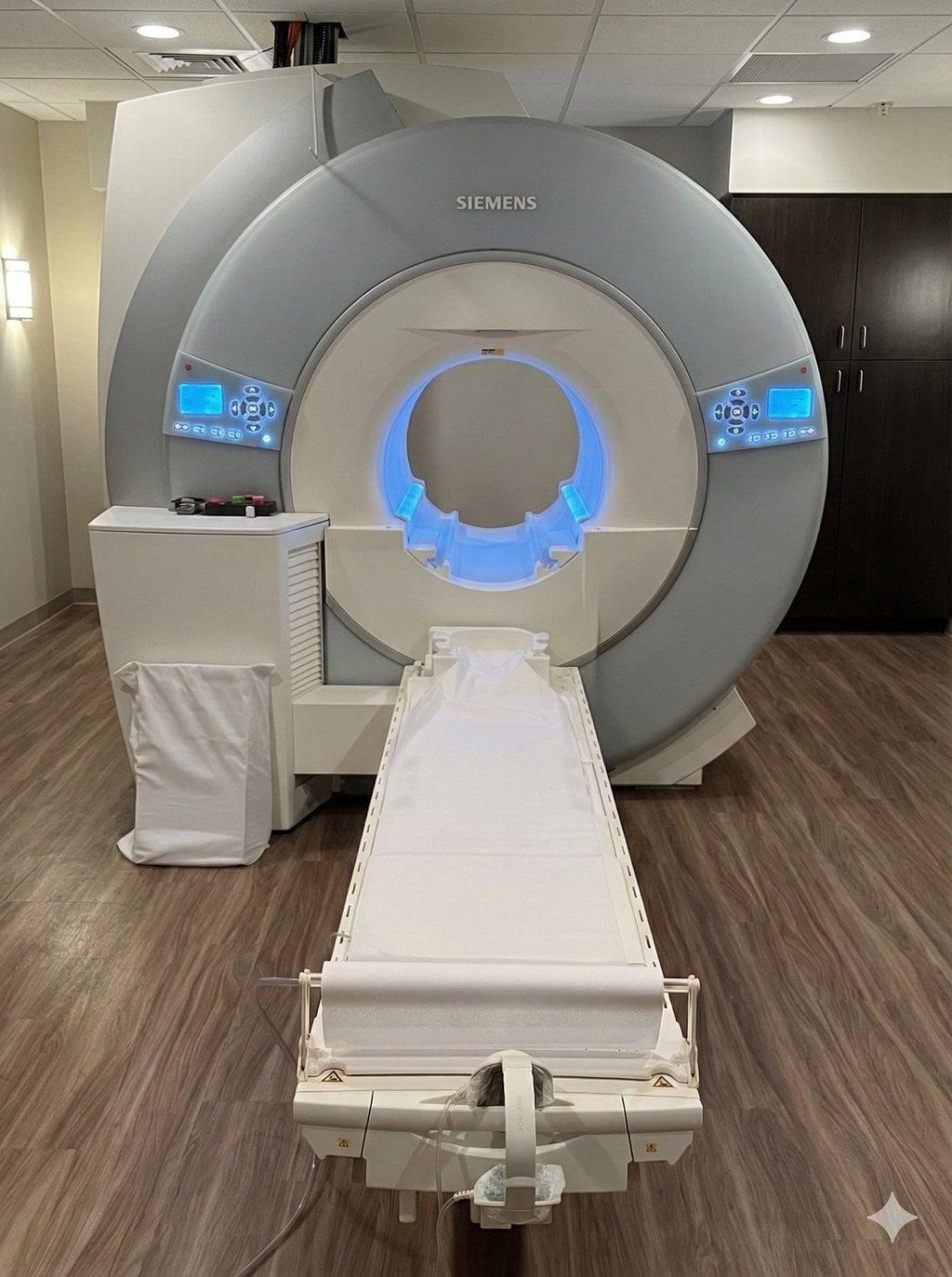
Early and accurate diagnosis of Alzheimer’s disease (AD) can profoundly impact patient care and outcomes. At Charis Neurology, we are dedicated to leveraging cutting-edge diagnostic tools to identify and manage Alzheimer’s disease effectively. Among the most promising approaches today are biomarkers and Positron Emission Tomography/Computed Tomography (PET/CT) imaging, which are transforming how we detect and monitor this condition.
Understanding Biomarkers in Alzheimer’s Disease
Biomarkers are measurable indicators of biological processes occurring in the body. In Alzheimer’s disease, specific biomarkers reflect the presence and progression of the disease, often years before significant symptoms appear. These include:
- Amyloid-beta (Aβ) plaques: The hallmark pathology of Alzheimer’s, detectable through blood tests, cerebrospinal fluid (CSF) analysis, or specialized PET imaging.
- Tau protein tangles: Abnormal accumulations within neurons that are strongly associated with cognitive decline. Tau can be measured in blood, CSF, and through advanced tau PET imaging.
- Neurodegeneration markers: Indicators of brain cell injury or loss, often assessed through structural imaging (MRI, CT) and fluid biomarkers such as neurofilament light chain (NfL).
The Power of PET/CT Imaging in Alzheimer’s Diagnosis
PET/CT imaging represents a revolutionary advancement in Alzheimer’s diagnostics. Using specific radioactive tracers, PET imaging highlights abnormal amyloid plaques and tau protein tangles, giving physicians a powerful visualization tool that goes far beyond what structural MRI can show. By combining PET scans with CT imaging, neurologists gain comprehensive insights into both molecular abnormalities and structural brain changes simultaneously.
At Charis Neurology, PET/CT imaging enables:
- Early detection: Identification of Alzheimer’s-related molecular changes before significant cognitive symptoms develop, allowing for timely intervention, including access to newer disease-modifying therapies.
- Differential diagnosis: Distinguishing Alzheimer’s from other forms of dementia or neurological disorders by revealing characteristic patterns of biomarker accumulation that are specific to each condition.
- Monitoring disease progression: Providing objective, longitudinal data on disease advancement and the effectiveness of therapeutic interventions over time.
Why Biomarker and PET/CT Imaging Matter for Treatment
Early and accurate diagnosis directly influences the management and therapeutic approach to Alzheimer’s disease. New disease-modifying therapies such as lecanemab (Leqembi) and donanemab (Kisunla) require confirmed amyloid pathology as a prerequisite for treatment, making biomarker confirmation not just informative, but clinically essential.
Biomarker assessments and PET/CT imaging together help tailor patient-specific treatments, inform prognosis, and enhance quality of life for patients and families navigating the complexities of Alzheimer’s disease. They move us from a purely symptomatic model of care to one grounded in the biology of each individual patient.
Looking Ahead
The landscape of Alzheimer’s disease diagnosis continues to evolve rapidly. Blood-based biomarker panels are becoming increasingly accurate, and new PET tracers continue to improve our ability to characterize disease biology. At Charis Neurology, our commitment remains unwavering, to integrate advanced diagnostic tools into comprehensive patient care, and to empower patients and families with the knowledge and resources necessary for proactive, informed healthcare decisions.
If you or a loved one are experiencing memory concerns, cognitive changes, or a family history of Alzheimer’s disease, we invite you to schedule a consultation with our team in Lake Mary. Early evaluation is the first step toward clarity and better care.